
St. Patrick’s Cathedral, Dublin: Tickets and Info
Questo sito web offre biglietti ufficiali per questa sede. Si prega tuttavia di notare che non si tratta del sito web ufficiale della sede stessa.
Cattedrale di San Patrizio: un viaggio indietro nel tempo!
In evidenza
Step inside Ireland’s tallest church dedicated to its patron saint.
Scopri le installazioni interattive con touchscreen e un tour audio autoguidato.
See Jonathan Swift’s burial place and admire exquisite stained glass windows.
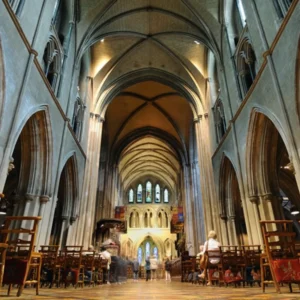
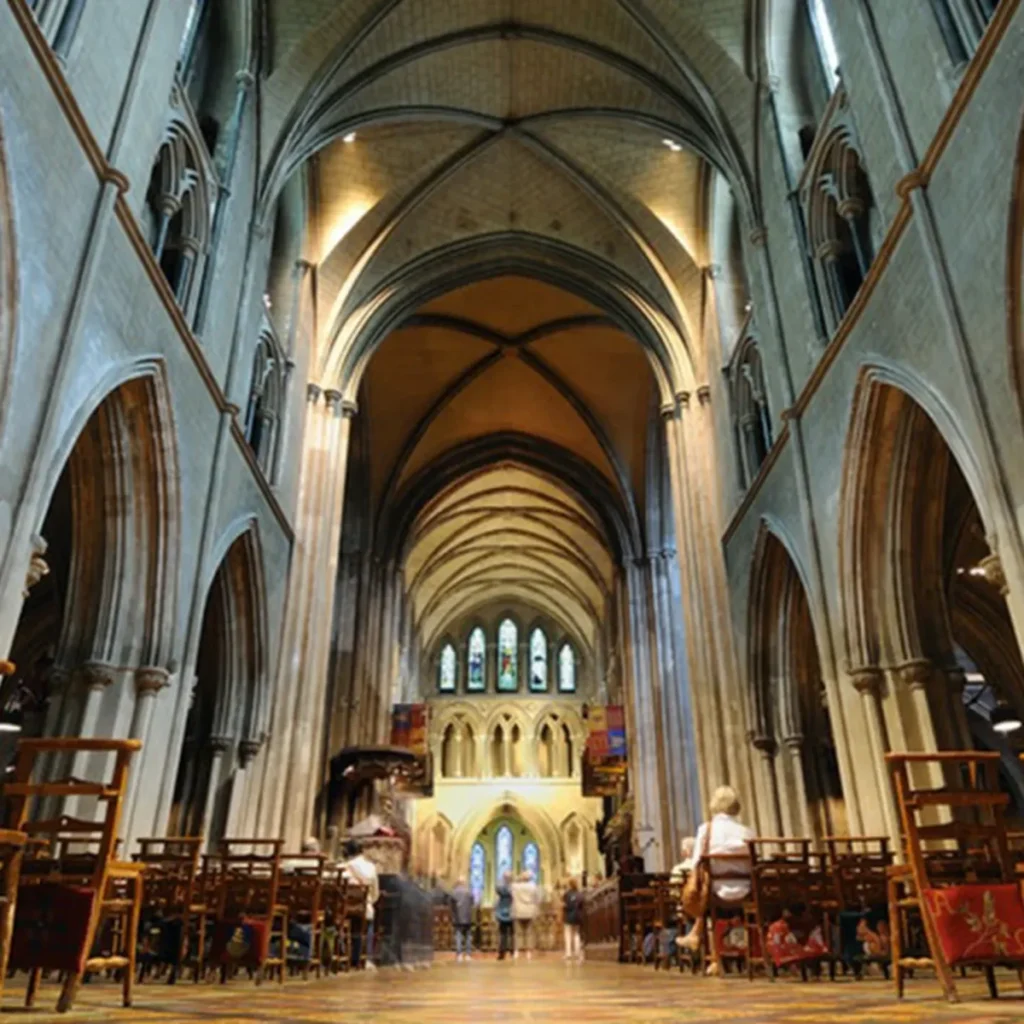
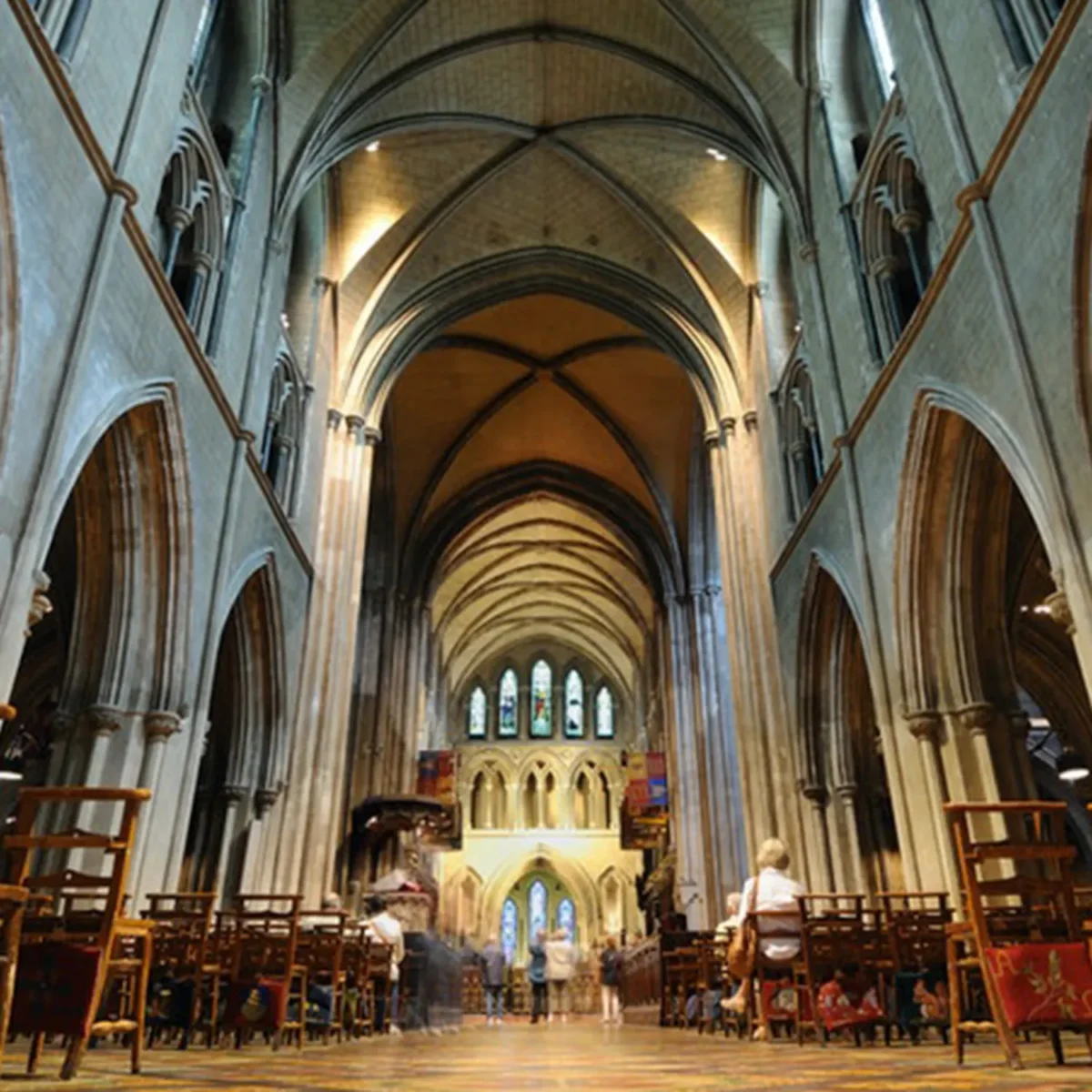
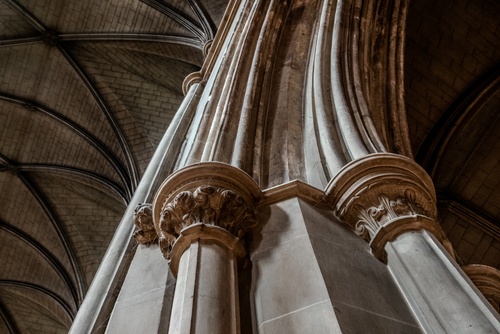
Ammirate la maestosa architettura gotica e gli splendidi pavimenti a mosaico.
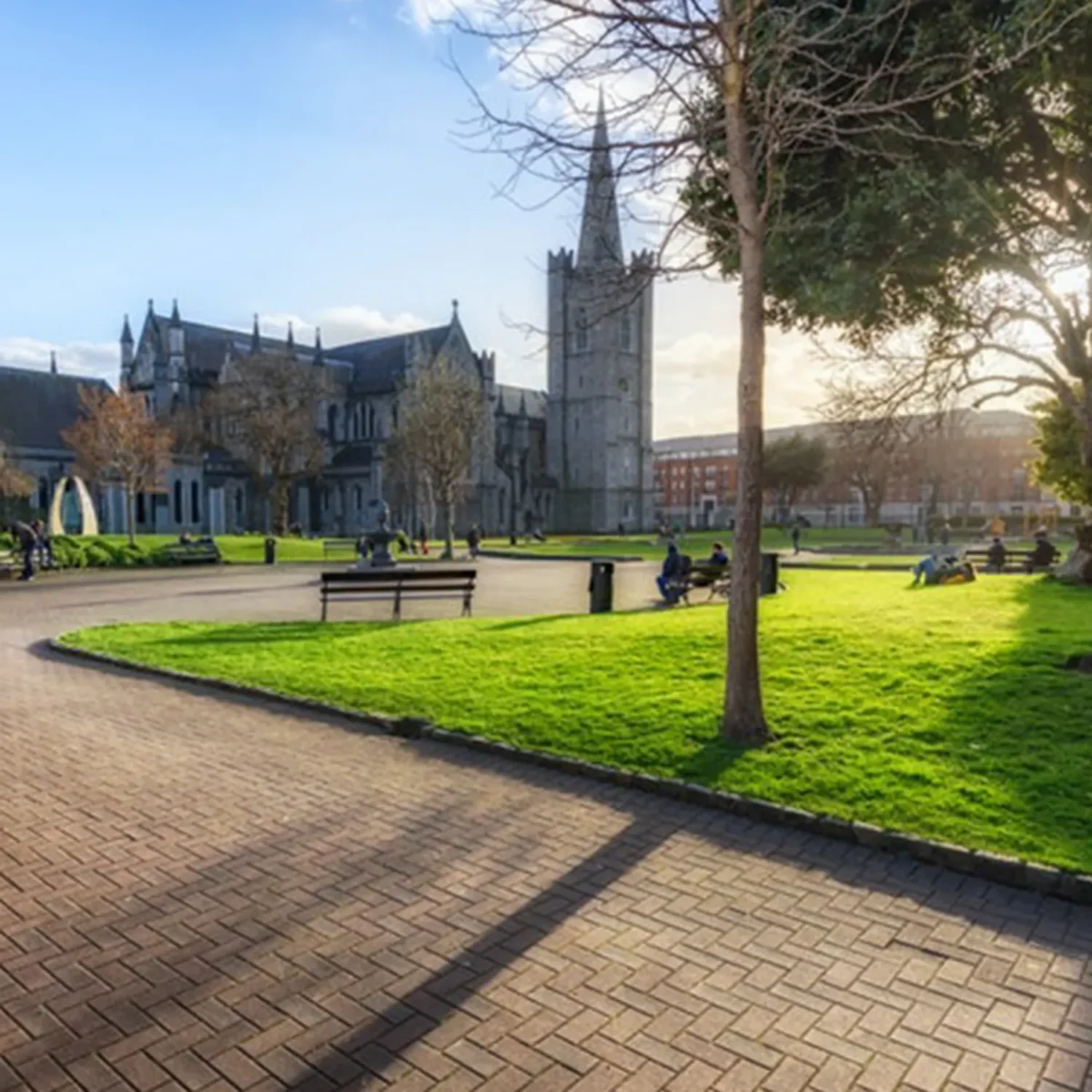
Enjoy access to the cathedral’s peaceful grounds and interior spaces.
Biglietti digitali
Conferma immediata
Servizio clienti attivo 24 h su 24, 7 d su 7
Circa 2 h
Good to Know Before Visiting St. Patrick's Cathedral, Dublin
Tickets should be booked online in advance to guarantee your preferred entry time slot and avoid waiting in long lines at the ticket office.
St Patrick’s Cathedral is an active place of worship, so opening hours may change on short notice due to special religious services or funeral ceremonies.
Visitors should dress respectfully when inside the cathedral, avoiding overly casual or revealing clothing out of courtesy for the active parish.
Small backpacks and handbags are permitted inside, but large luggage and oversized travel bags cannot be brought into the cathedral or stored on-site.
Photography for personal use is permitted inside the cathedral, provided flash, tripods, and commercial filming equipment are not used.
Eating, drinking, and chewing gum are strictly prohibited inside the main cathedral building to help protect the historic interior.
Attending the daily Choral Evensong service is free of charge, though sightseeing during active worship services is not permitted.
The cathedral is fully step-free, with permanent ramp access at the main entrance and wide aisles inside for wheelchair users and strollers.
Mobile phones must be set to silent mode upon entering the cathedral to maintain a quiet atmosphere for worshippers and fellow visitors.
Free audio tour guides can be downloaded to your personal smartphone, so bringing your own headphones is strongly recommended.
Essential Visitor Info
- Orari
- Address & Directions
- Strutture
- Accessibilità
About St. Patrick's Cathedral, Dublin
Why Visit St. Patrick's Cathedral, Dublin?
Ireland’s Largest Church
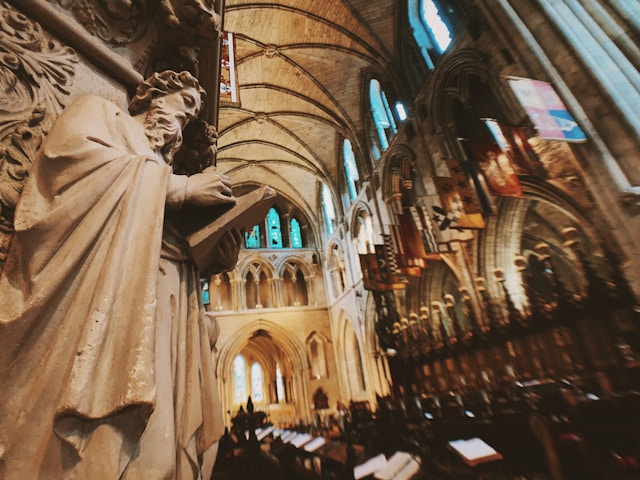
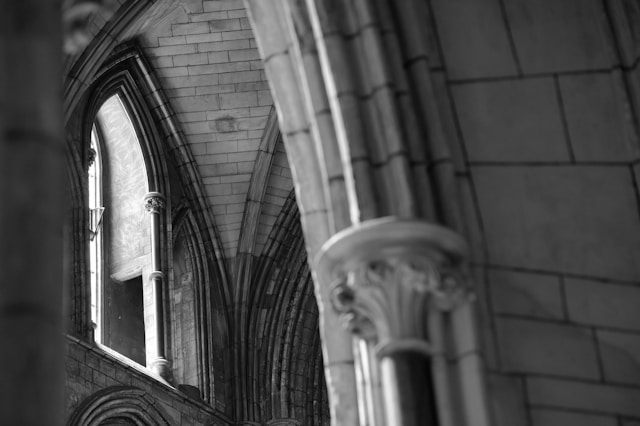
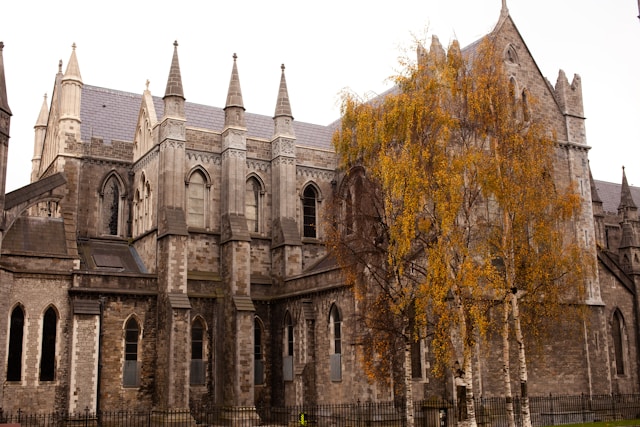
Built between 1191 and 1270, St Patrick’s Cathedral stands as the largest church in Ireland and one of the nation's most iconic historical sites. Stepping inside offers a rare chance to experience over 800 years of Irish heritage preserved within magnificent Gothic architecture.
The Final Resting Place of Jonathan Swift
Literary enthusiasts can pay respects to Jonathan Swift, author of Gulliver’s Travels, who served as Dean of the cathedral from 1713 to 1745. His grave and epitaph are located inside, alongside a collection of his personal items and writing memorabilia.
World-Renowned Choral Tradition
St Patrick’s is home to the only remaining choir school in Ireland, maintaining a sacred musical tradition that dates back to 1432. Visitors attending daily service can experience live performances by the cathedral choir in an incredible acoustic environment.
The Birthplace of the Phrase "Chancing Your Arm"
The cathedral houses the Door of Reconciliation, an artifact linked to the 1492 feud between the Butler and FitzGerald families. By cutting a hole in the door to shake hands and declare peace, Earl Gerald FitzGerald inspired the famous idiom still used today.
A Peaceful Oasis in Dublin’s Heart
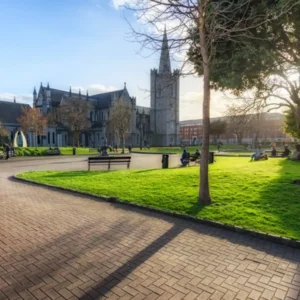
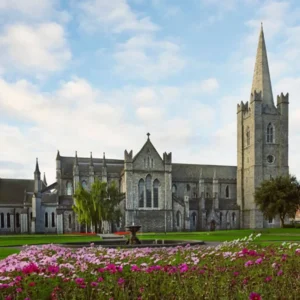
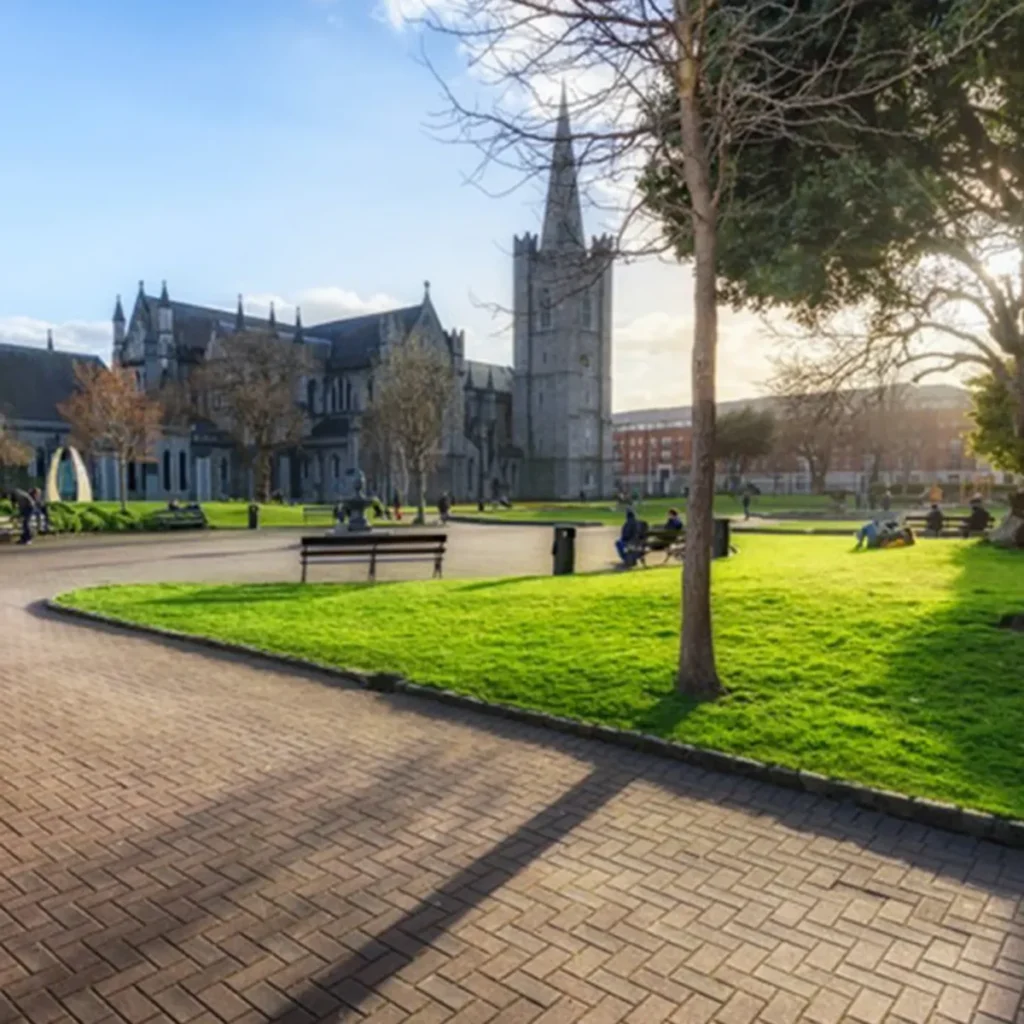
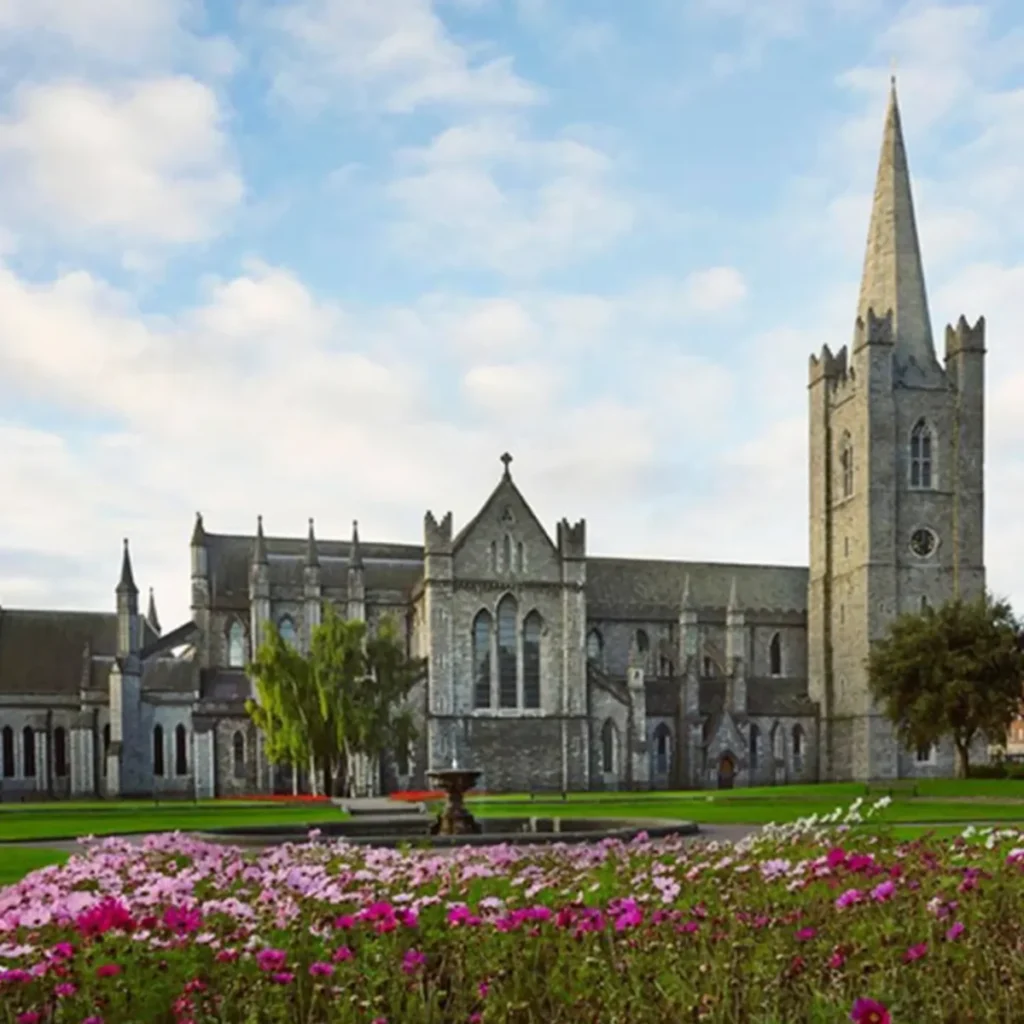
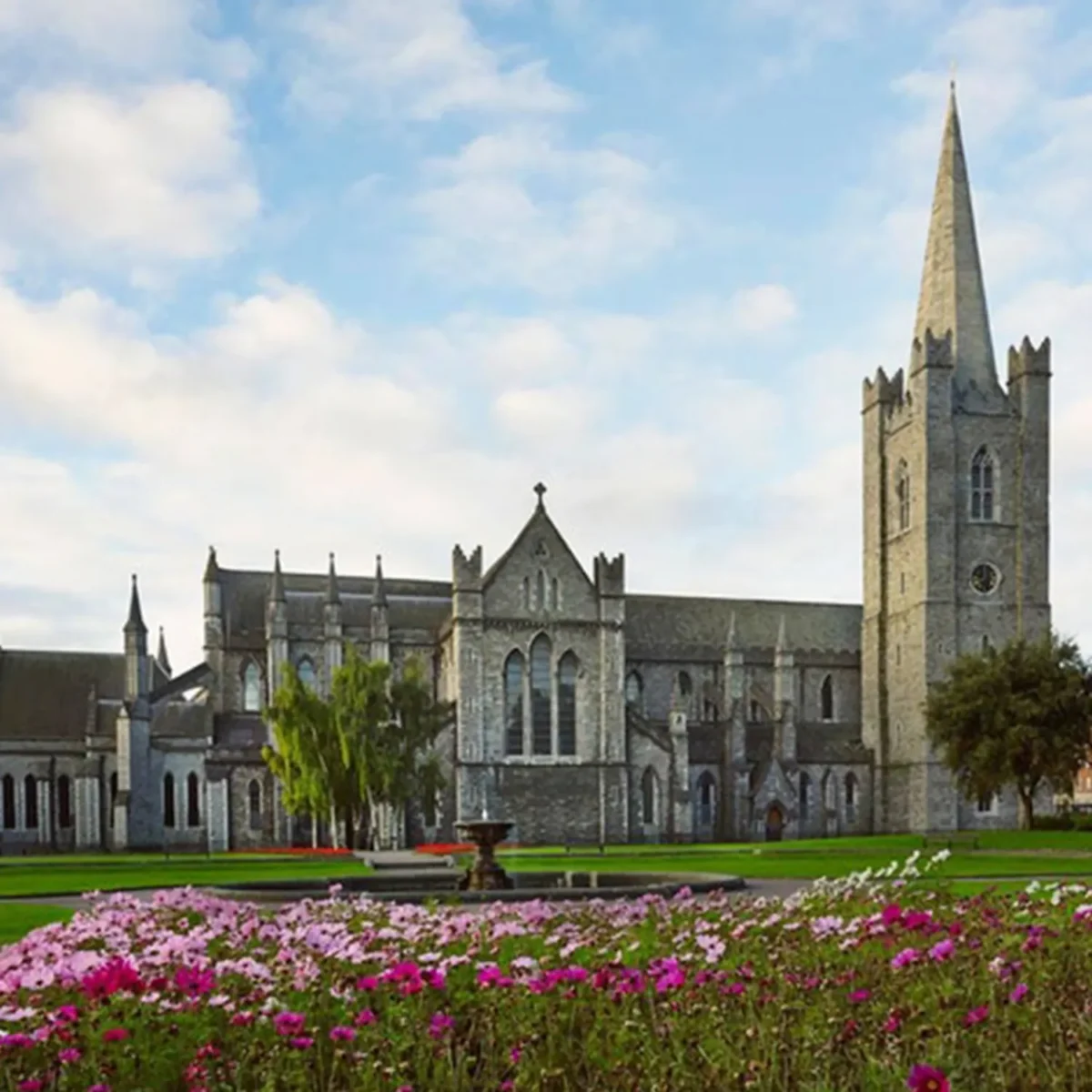
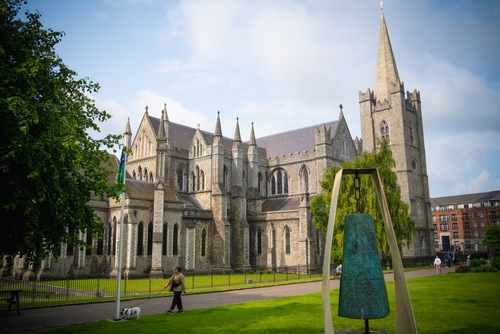
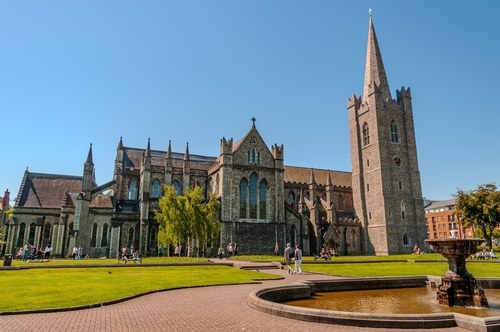
Set within beautifully maintained public grounds, St Patrick’s offers a quiet retreat from the busy city center. The adjacent park provides a picturesque spot to relax, admire the cathedral’s majestic exterior, and reflect on centuries of Dublin history.
St. Patrick's Cathedral, Dublin - Additional Info
- Ristorazione
- Souvenir Store
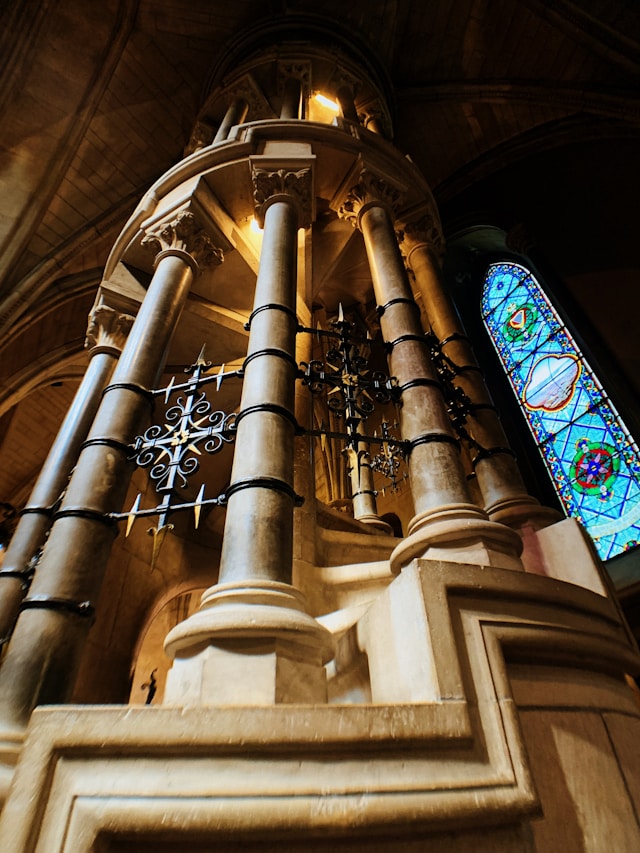
Interesting Facts about St. Patrick's Cathedral, Dublin
St Patrick’s Cathedral stands on the ancient site of a holy well where St Patrick is believed to have baptized the first Irish converts to Christianity around 450 AD.
Built between 1191 and 1270, it holds the distinction of being the largest church in Ireland and one of the largest early Gothic structures in Europe.
Jonathan Swift, the celebrated author of Gulliver’s Travels, served as the Dean of St Patrick’s Cathedral from 1713 to 1745 and is buried inside the nave.
Swift wrote his own famous Latin epitaph, which was translated by W.B. Yeats as "where fierce indignation can lacerate his heart no more."
The common English phrase "chancing your arm" originated at the cathedral in 1492 during a feud between the Earls of Kildare and Ormonde.
To declare a truce, the Earl of Kildare cut a hole through the cathedral door and thrust his arm through to shake hands with his enemy.
The famous Door of Reconciliation, containing the original carved hole from the 1492 feud, remains on display inside the cathedral today.
St Patrick’s is home to the only remaining cathedral choir school in Ireland, which was founded in 1432 and still performs daily services.
The world-famous premiere of George Frideric Handel’s masterpiece Messiah was performed in Dublin in 1742 with the assistance of the cathedral choir.
Sir Benjamin Lee Guinness, head of the famous brewing family, personally funded a massive restoration of the cathedral in the 1860s when it faced severe structural decay.
A statue of Sir Benjamin Lee Guinness sitting outside the cathedral honors his family’s substantial donations to Dublin's heritage.
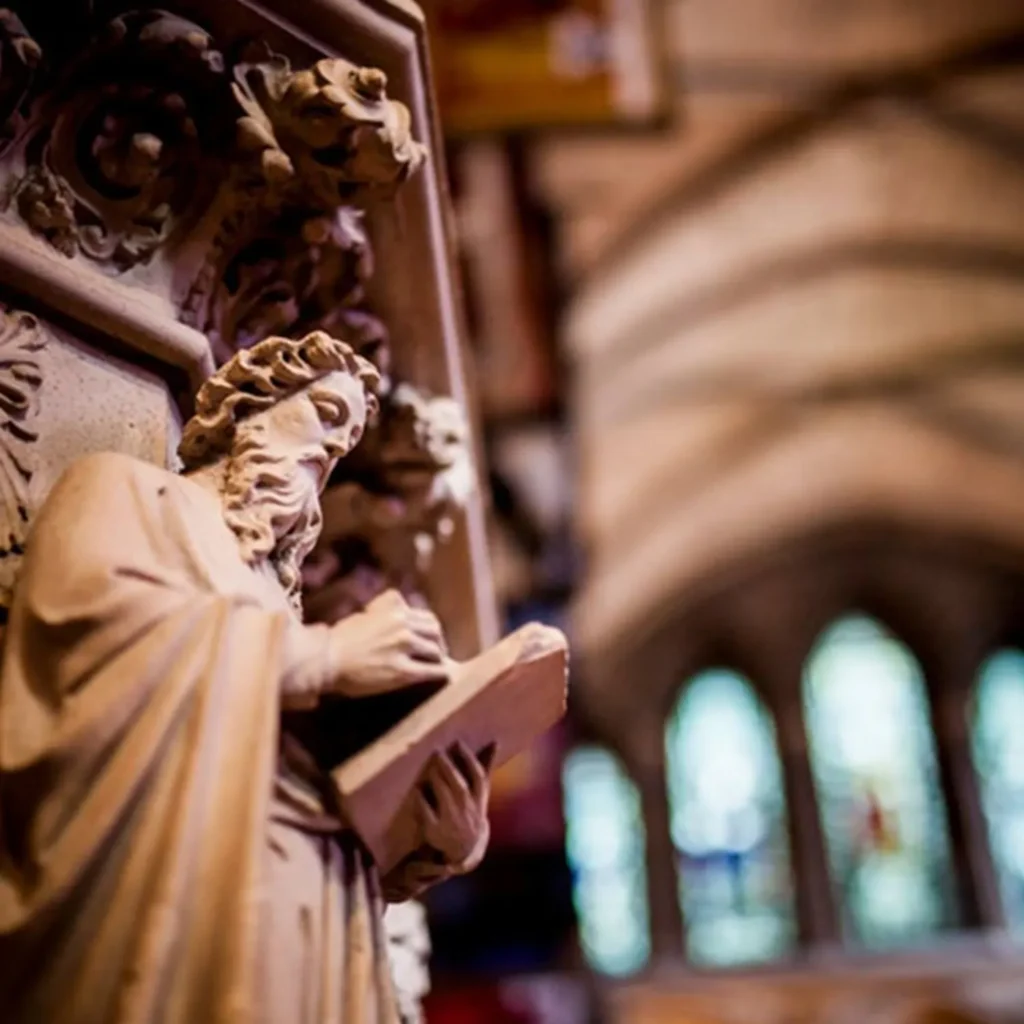
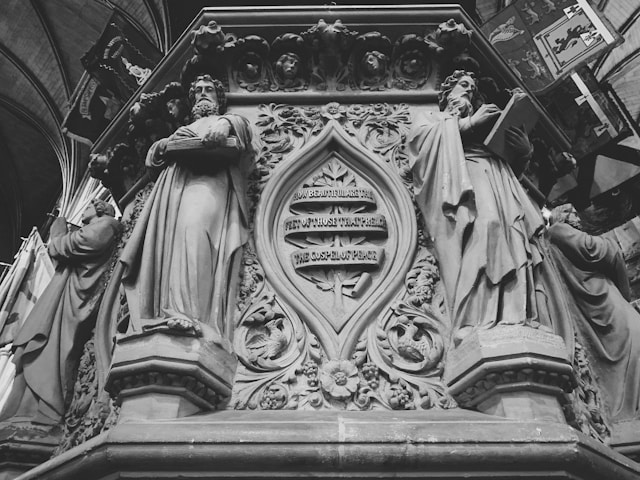
The cathedral nave contains over 500 monuments, statues, and brasses, making it one of the largest collections of historical memorials in the British Isles.
A wooden chest on display inside was carved from ancient oak trees and served as the cathedral’s strongbox for centuries.
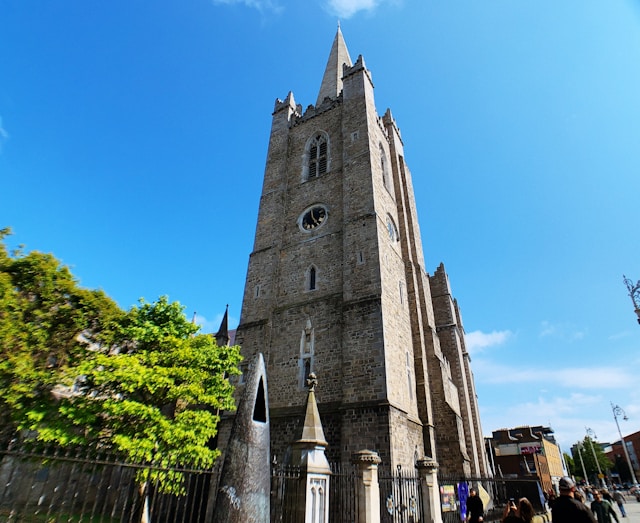
The cathedral spire, reaching 43 meters high, was added in 1749 by Archbishop Minot and remains a dominant feature of Dublin’s skyline.
Unlike most English and European cathedrals of similar size, St Patrick’s does not serve as a seat for a bishop, as Christ Church is the cathedral seat of the Dublin diocese.
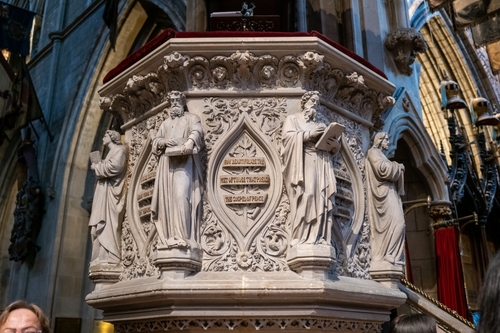
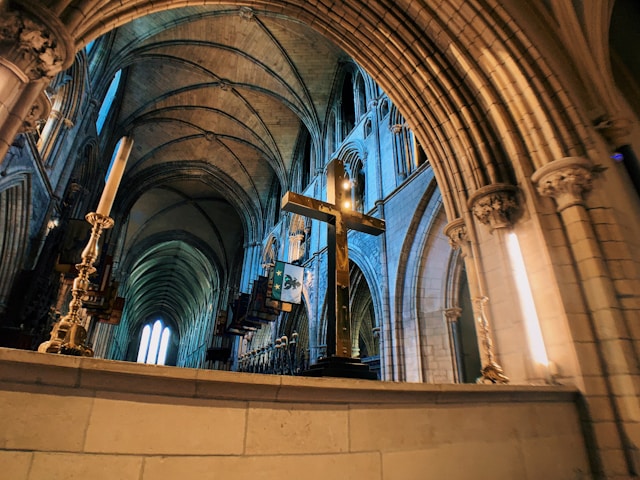
St. Patrick's Cathedral, Dublin - Highlights in Pictures
 English
  Deutsch
  Français
  Italiano
  Español
  Nederlands