We are processing your request.
Please, don't close or refresh the page.

Experience Dublin: Book Tickets for Landmarks, Museums & Tours

This website offers official tickets for attractions in this city. Please note, however, that it is not the official website for any of these venues.
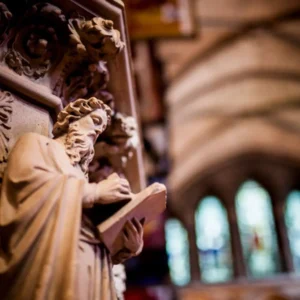
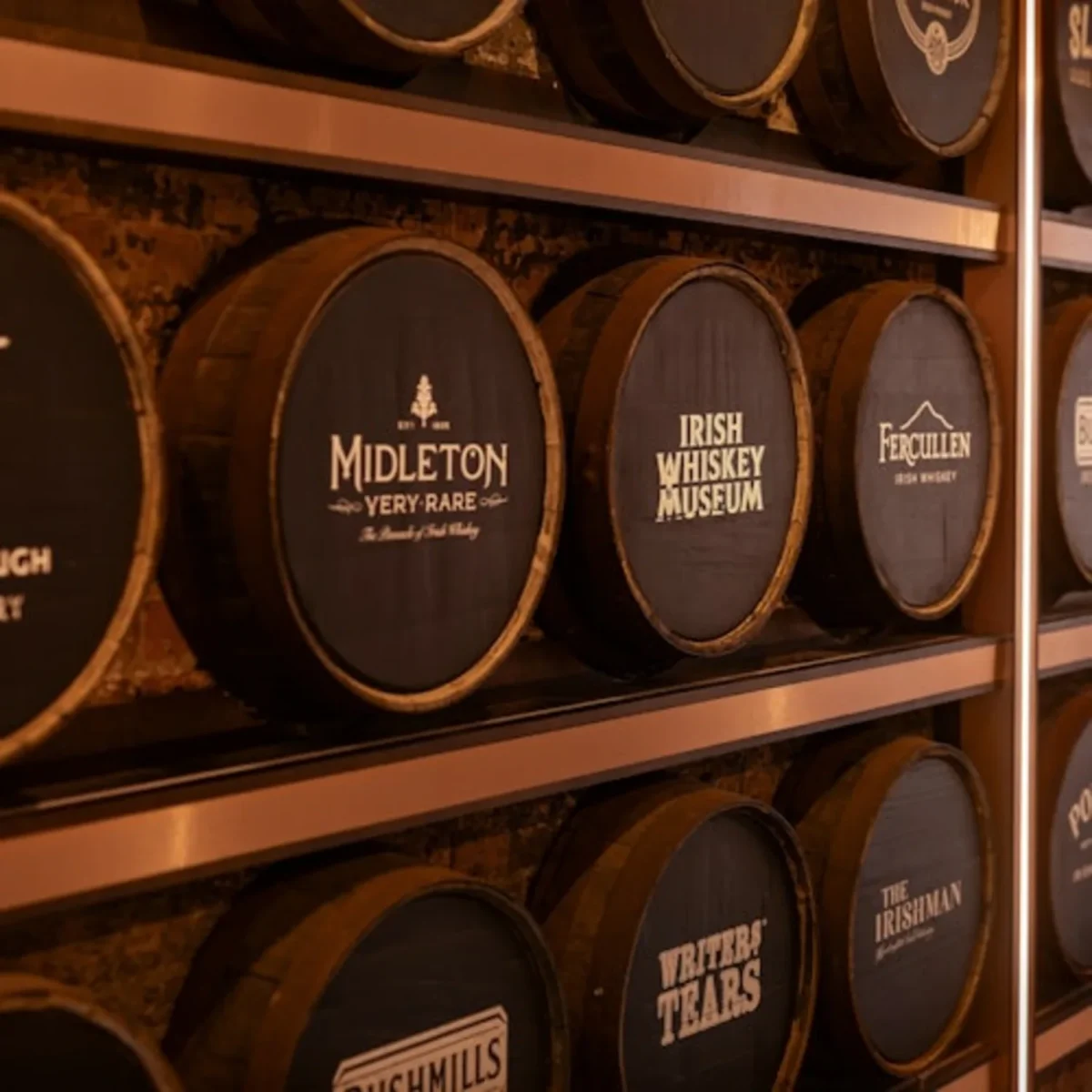
Discover Dublin’s top attractions, historic landmarks, and regional day trips all in one place. Whether you want to explore ancient cathedrals, sample local whiskeys, or take a day tour out to the coast, booking in advance keeps your itinerary smooth and hassle-free.

Explore our full range of Dublin venue tickets below to lock in your plans today.

A Guide to Dublin’s Primary Neighborhoods & Cultural Districts

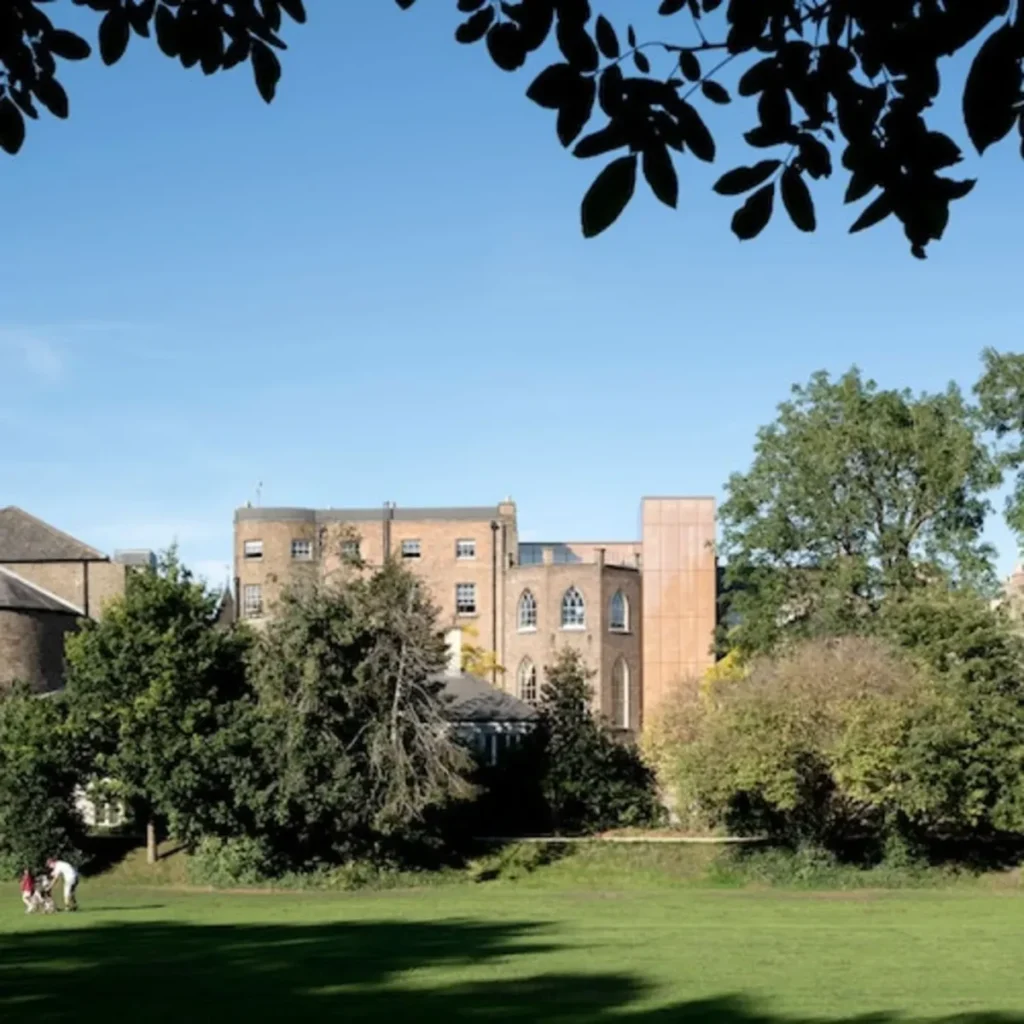
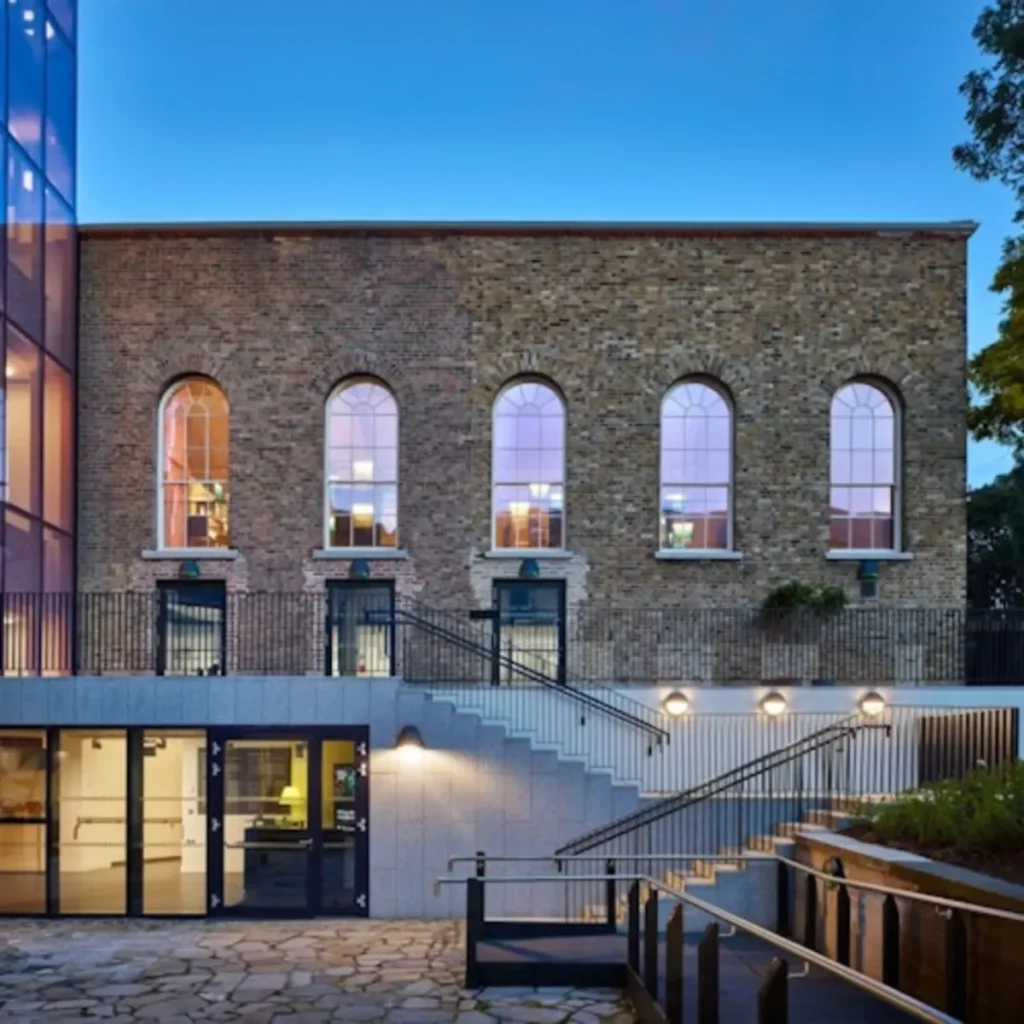
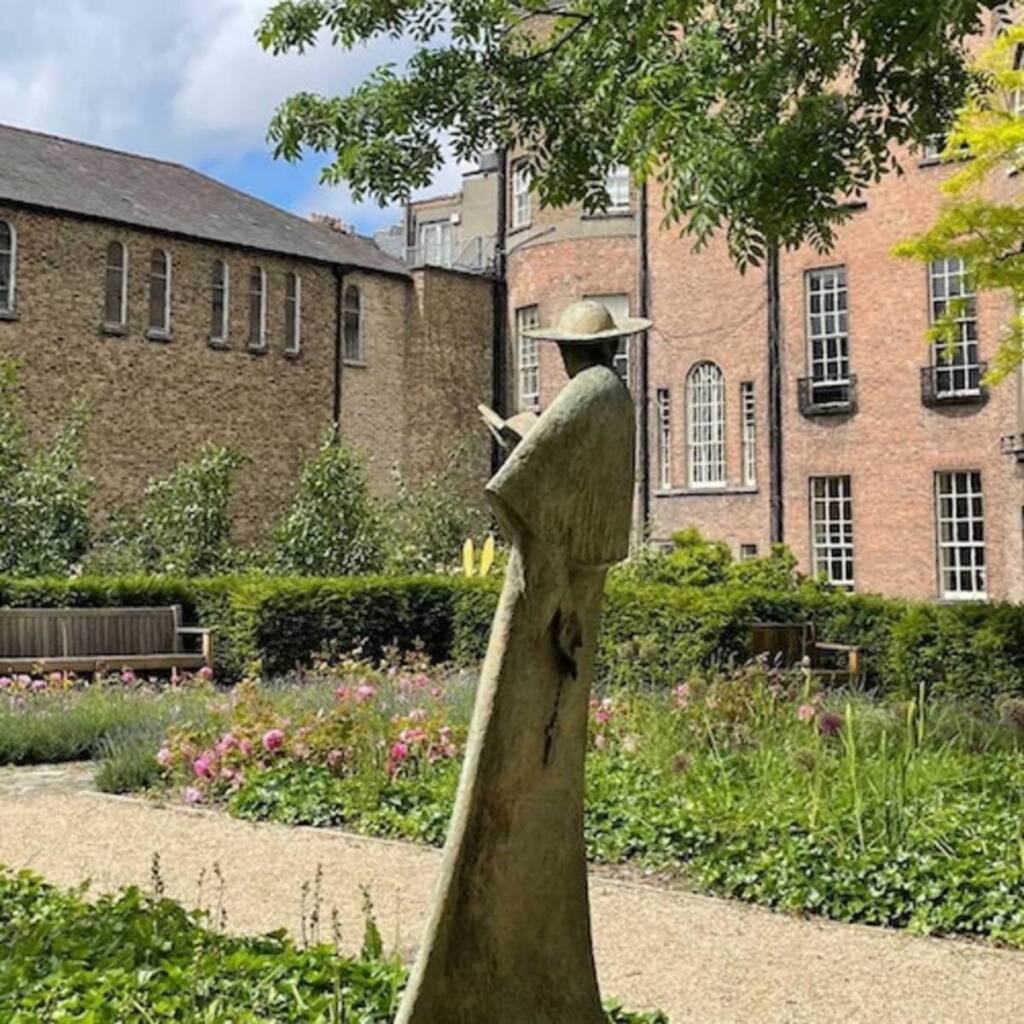
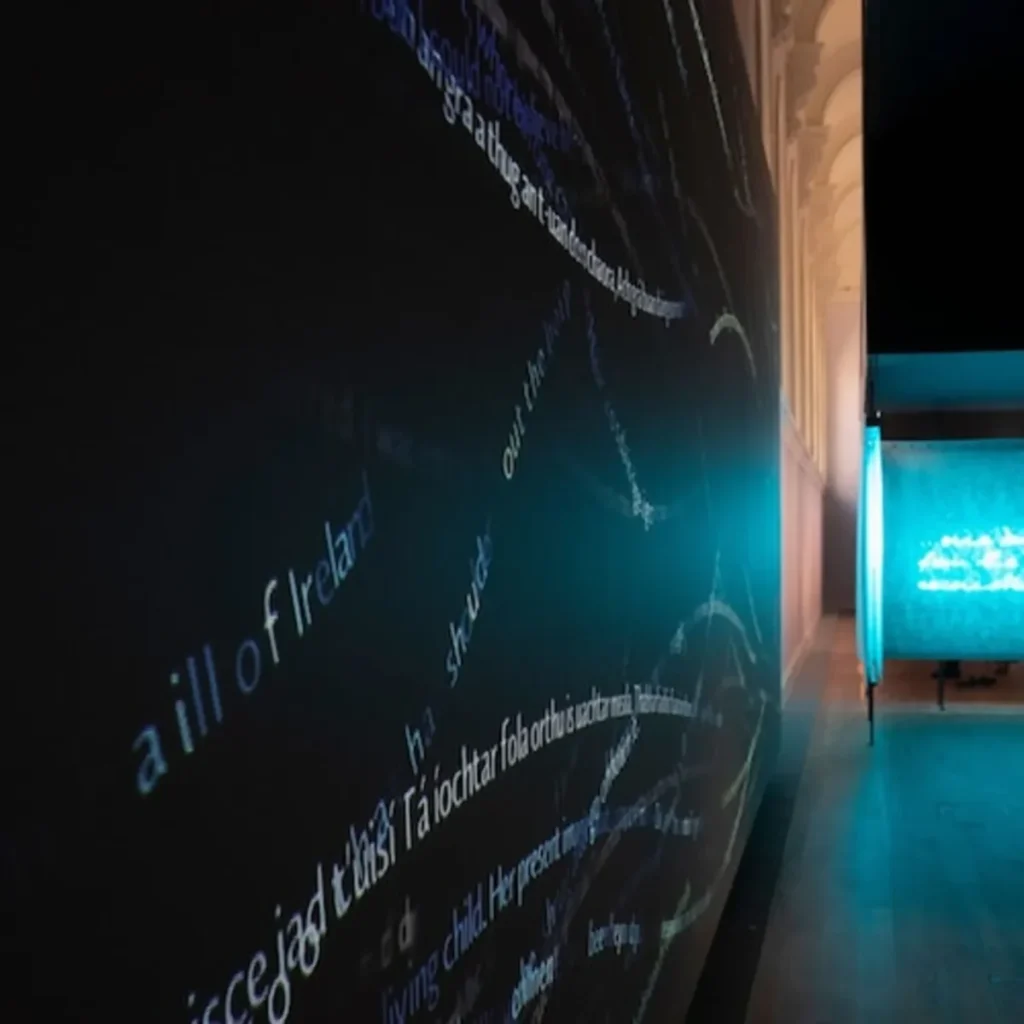
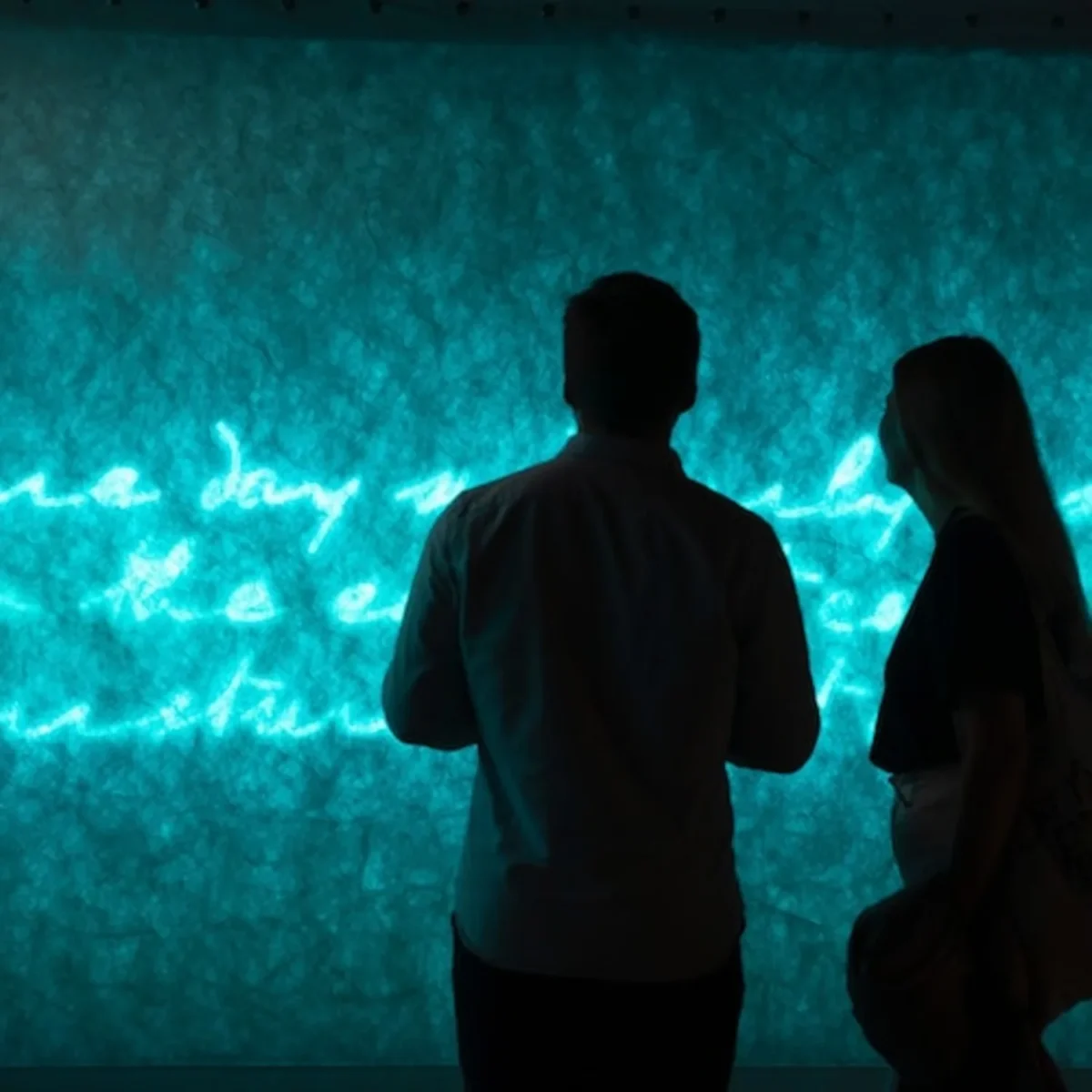
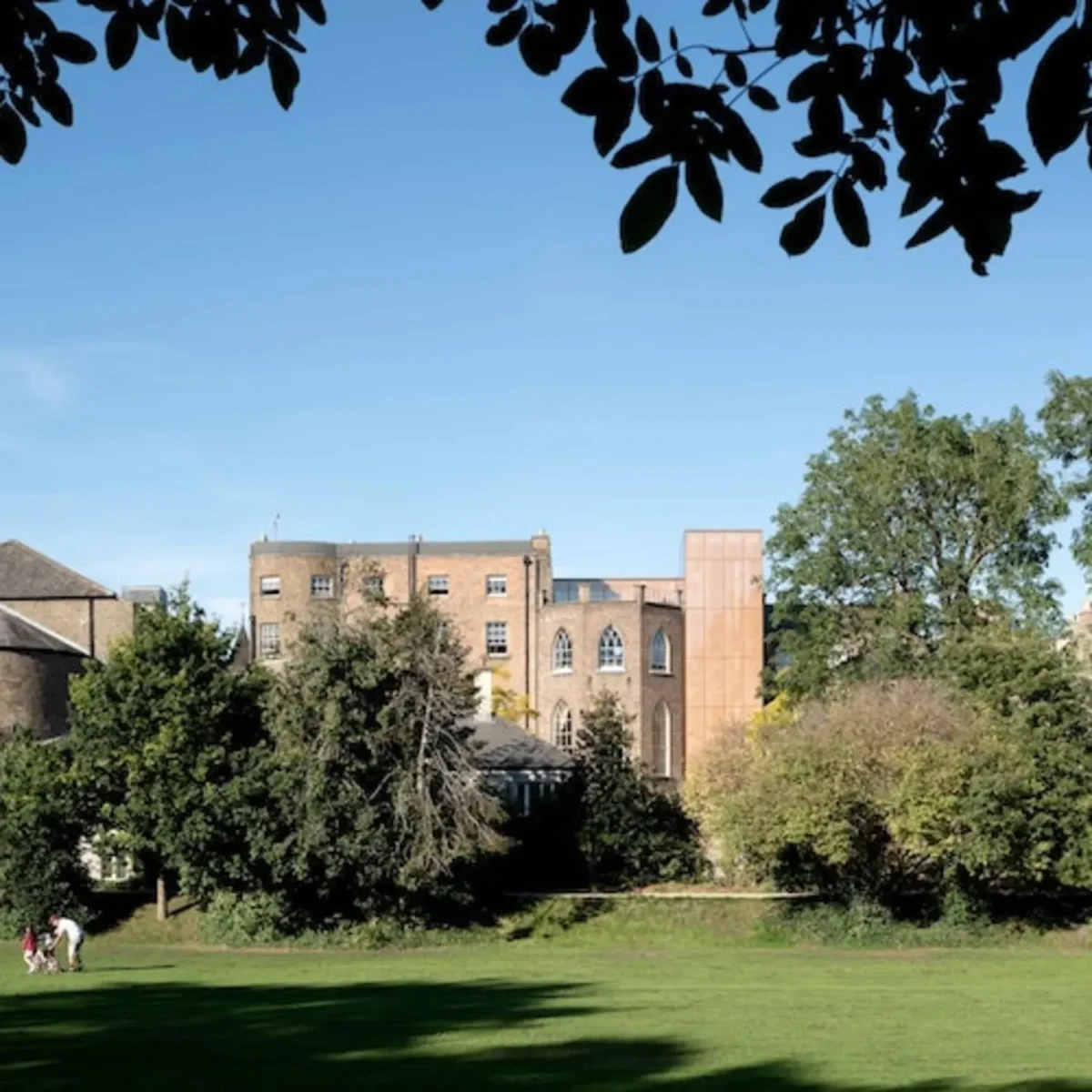
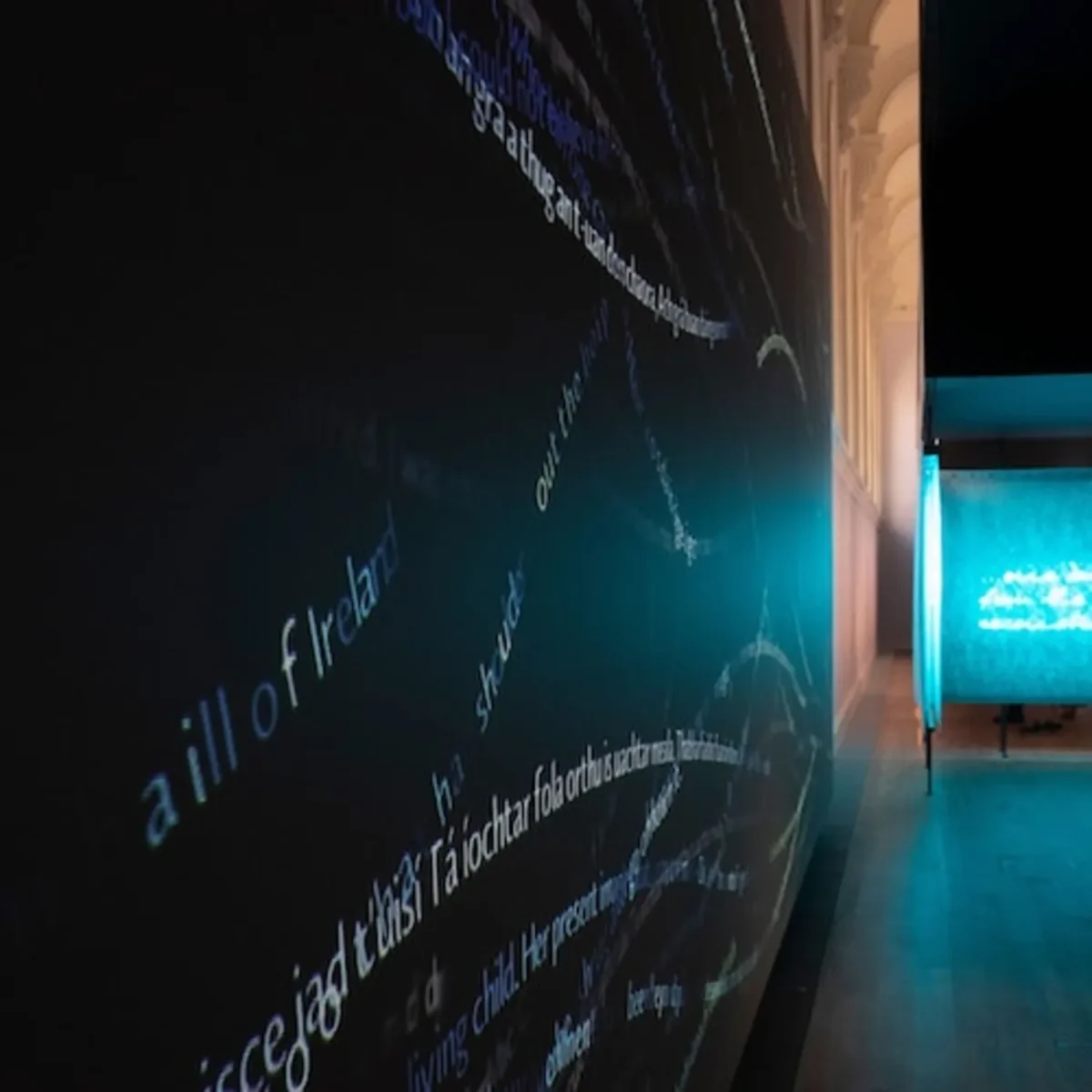
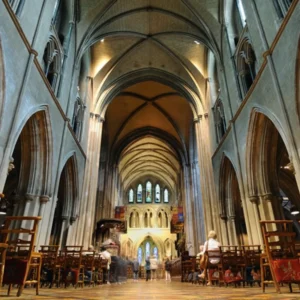
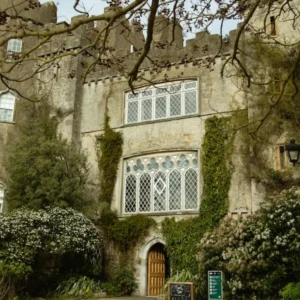
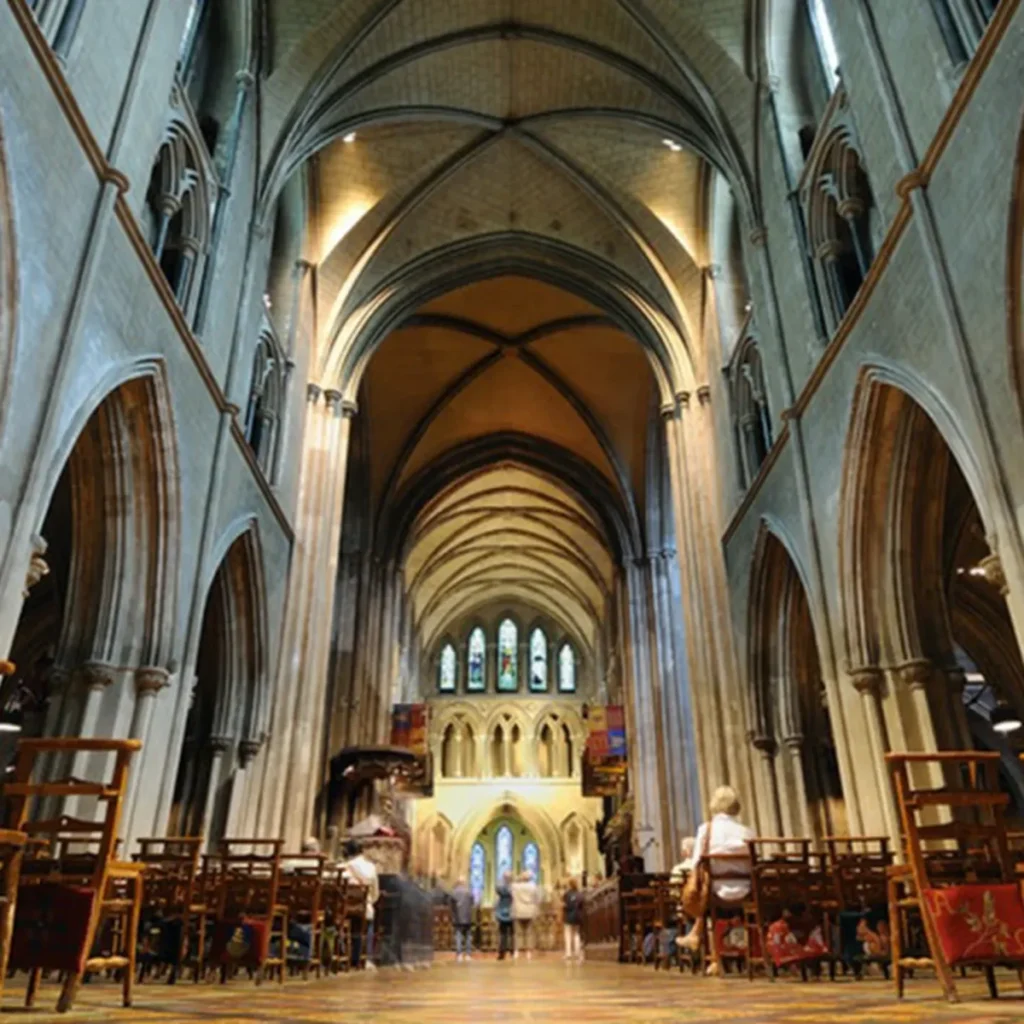
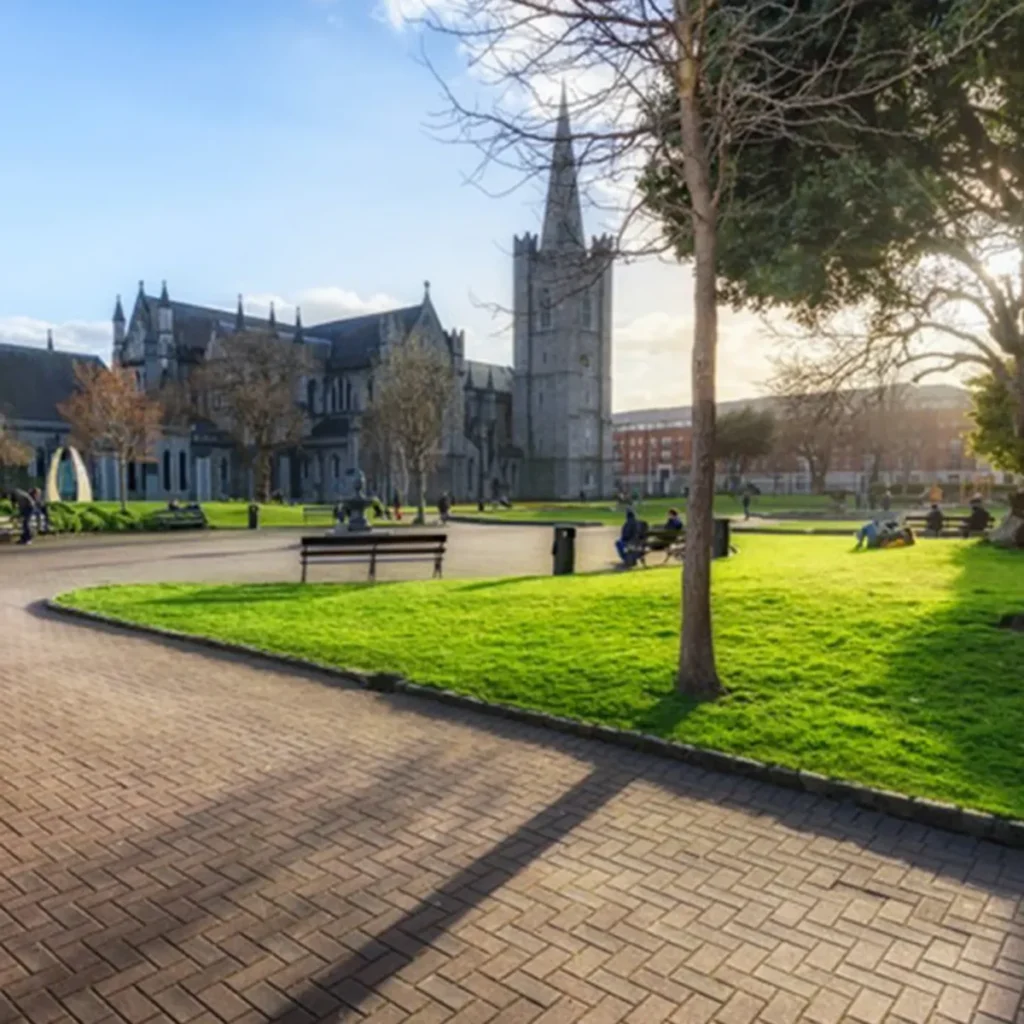
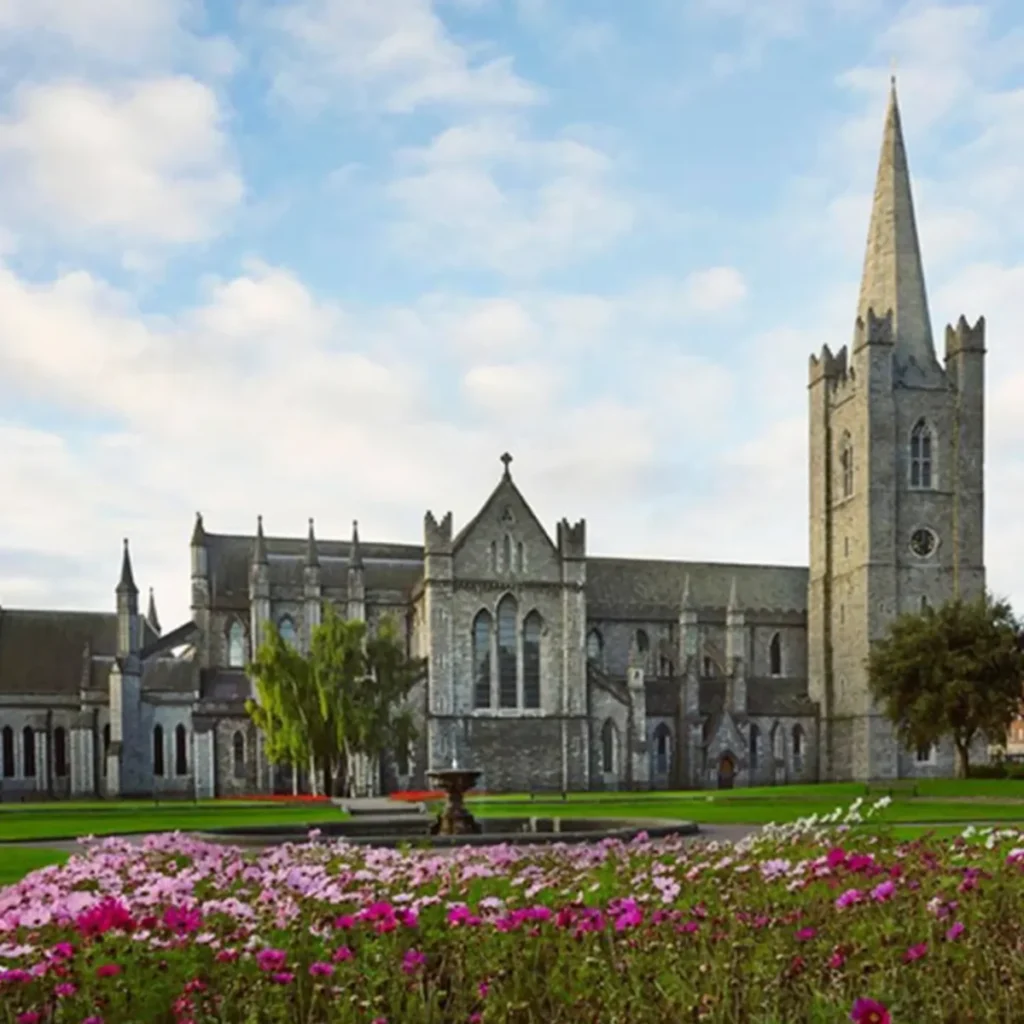
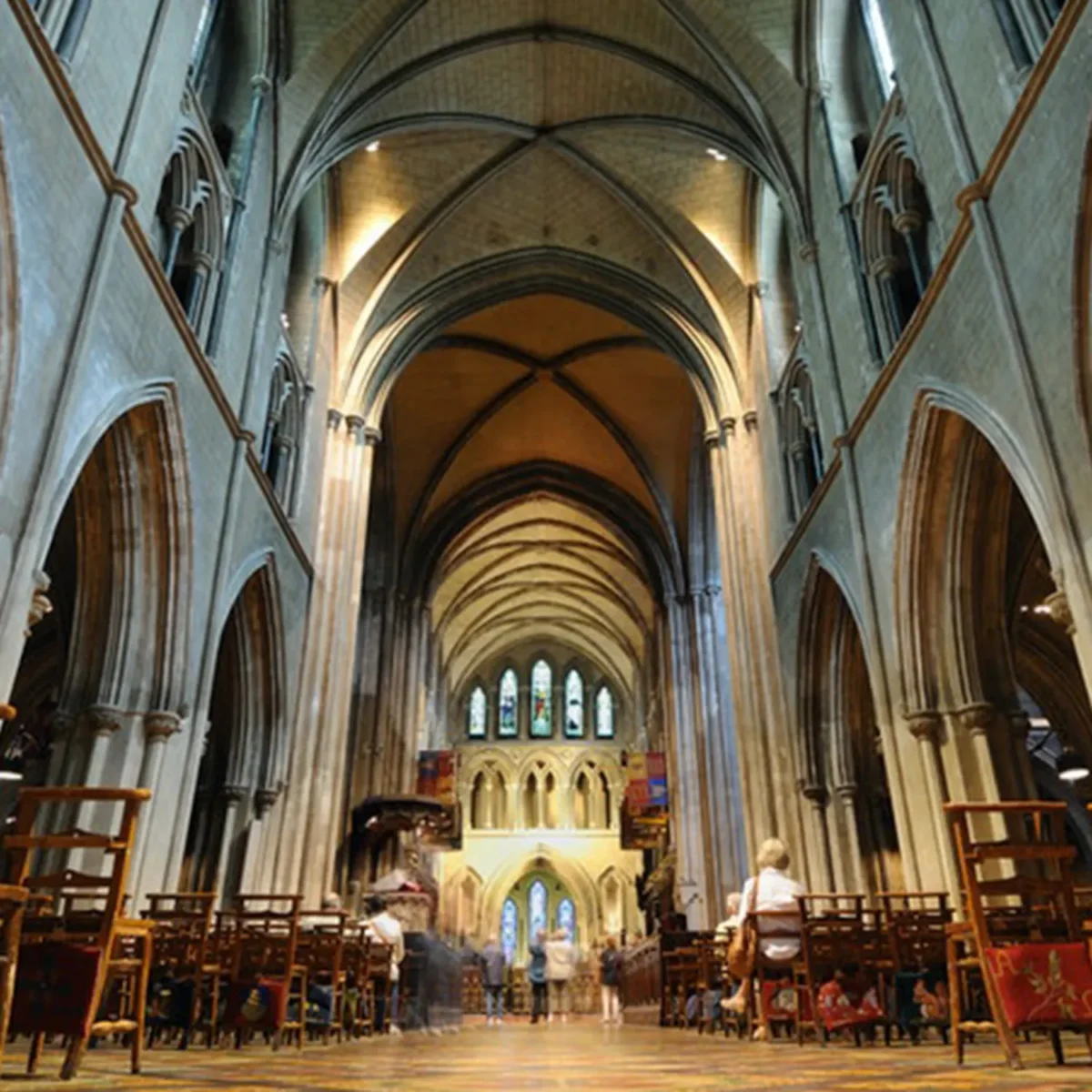
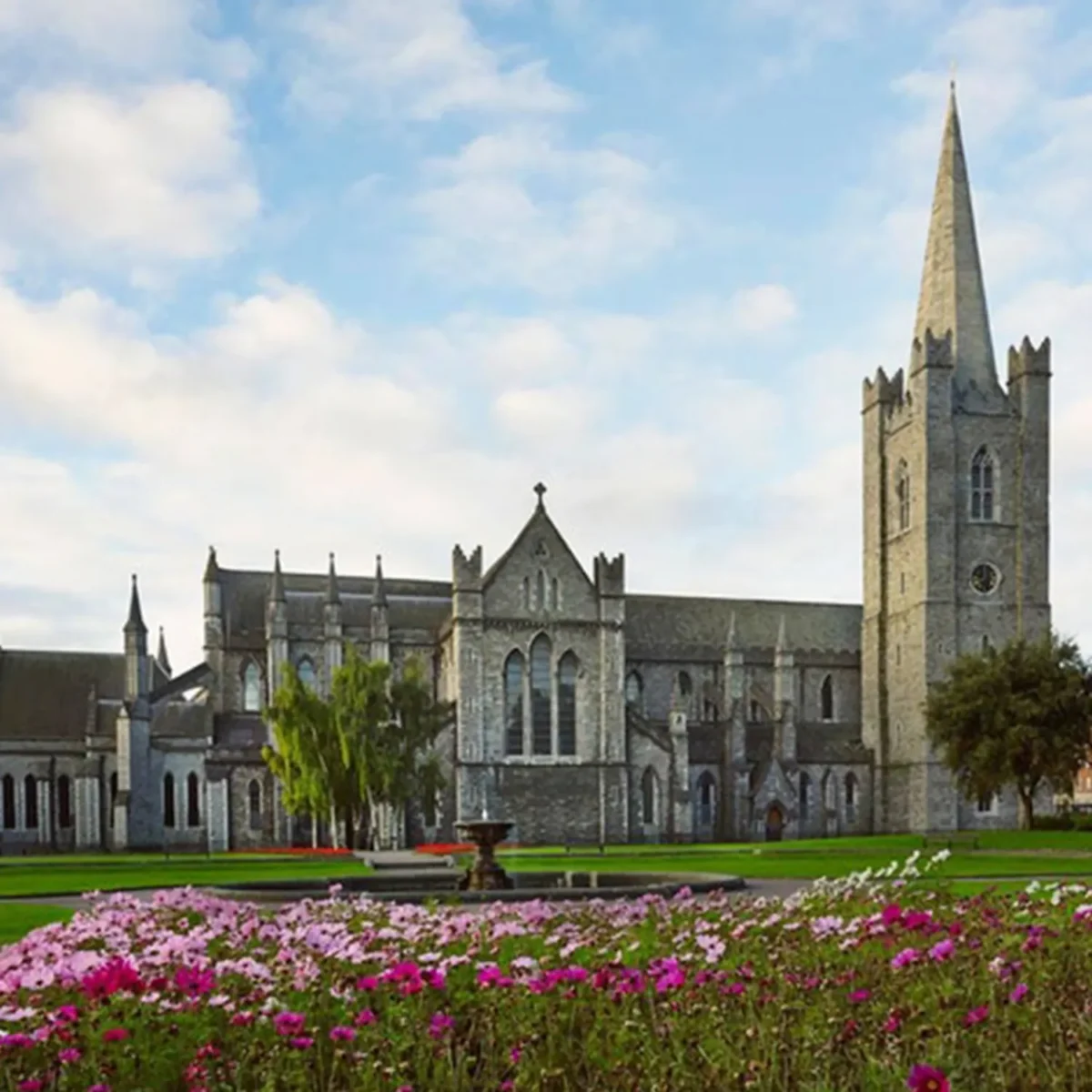
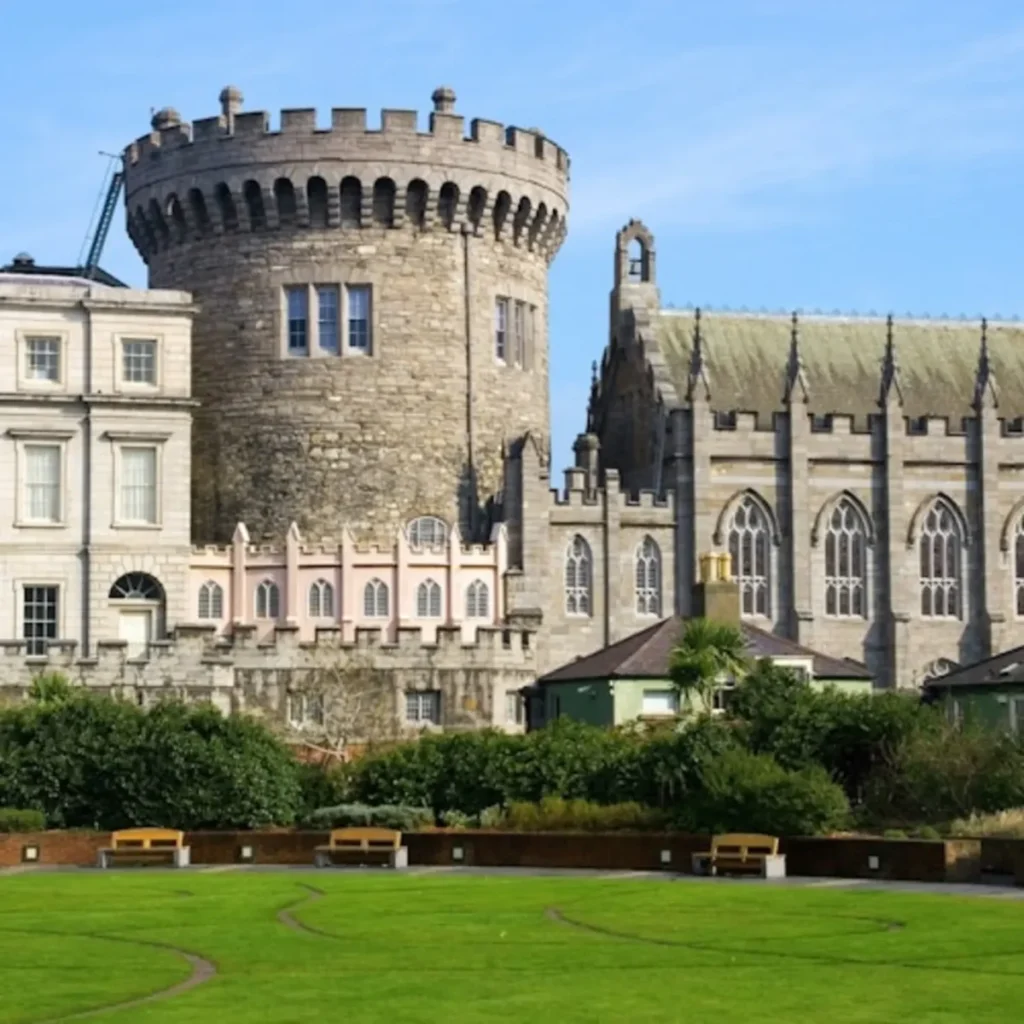
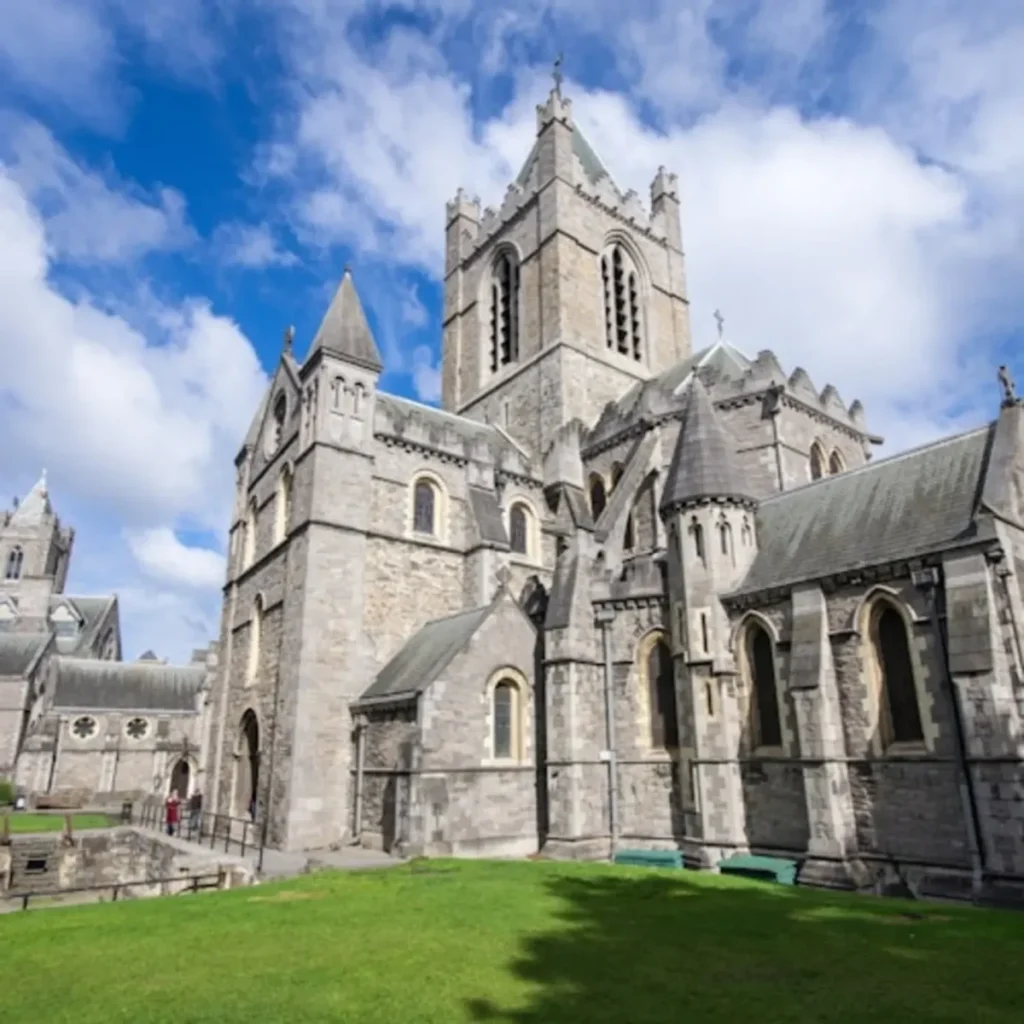
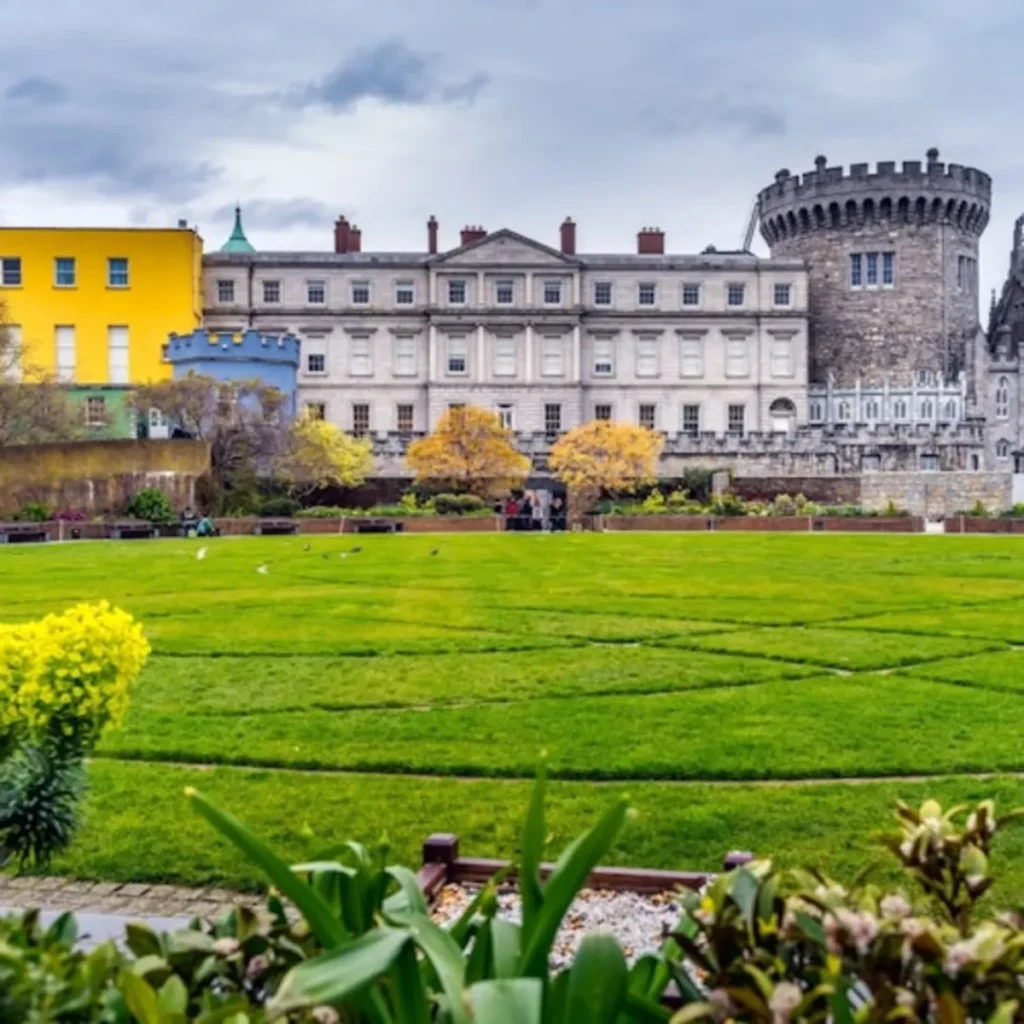
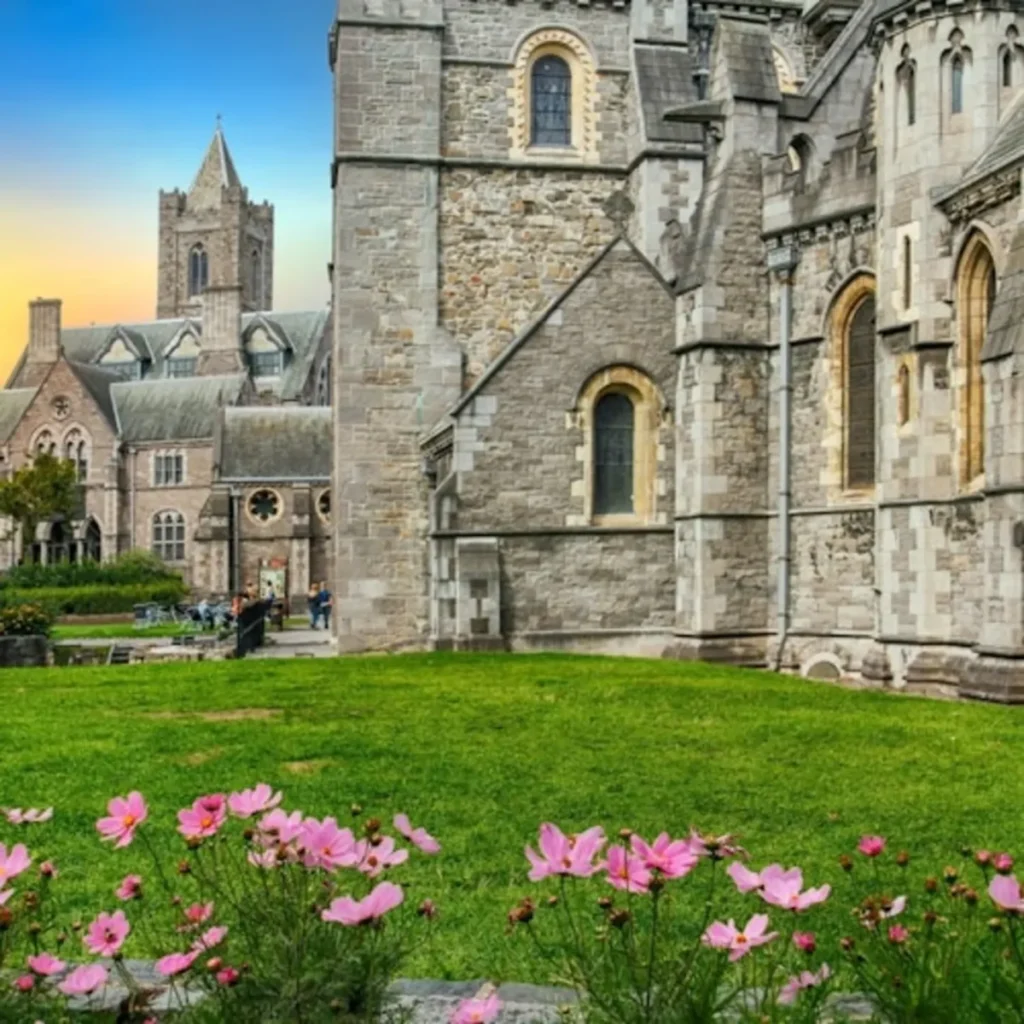
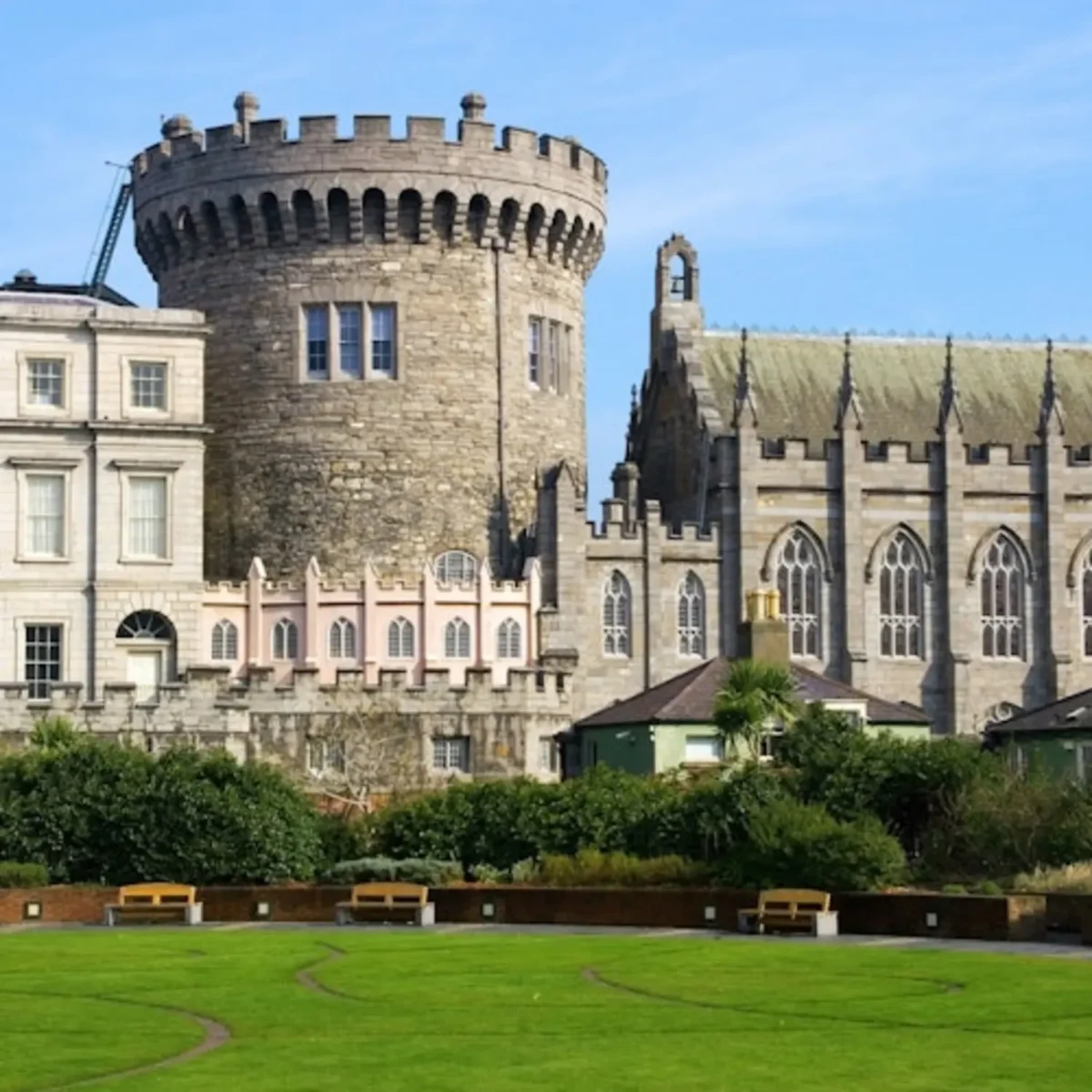
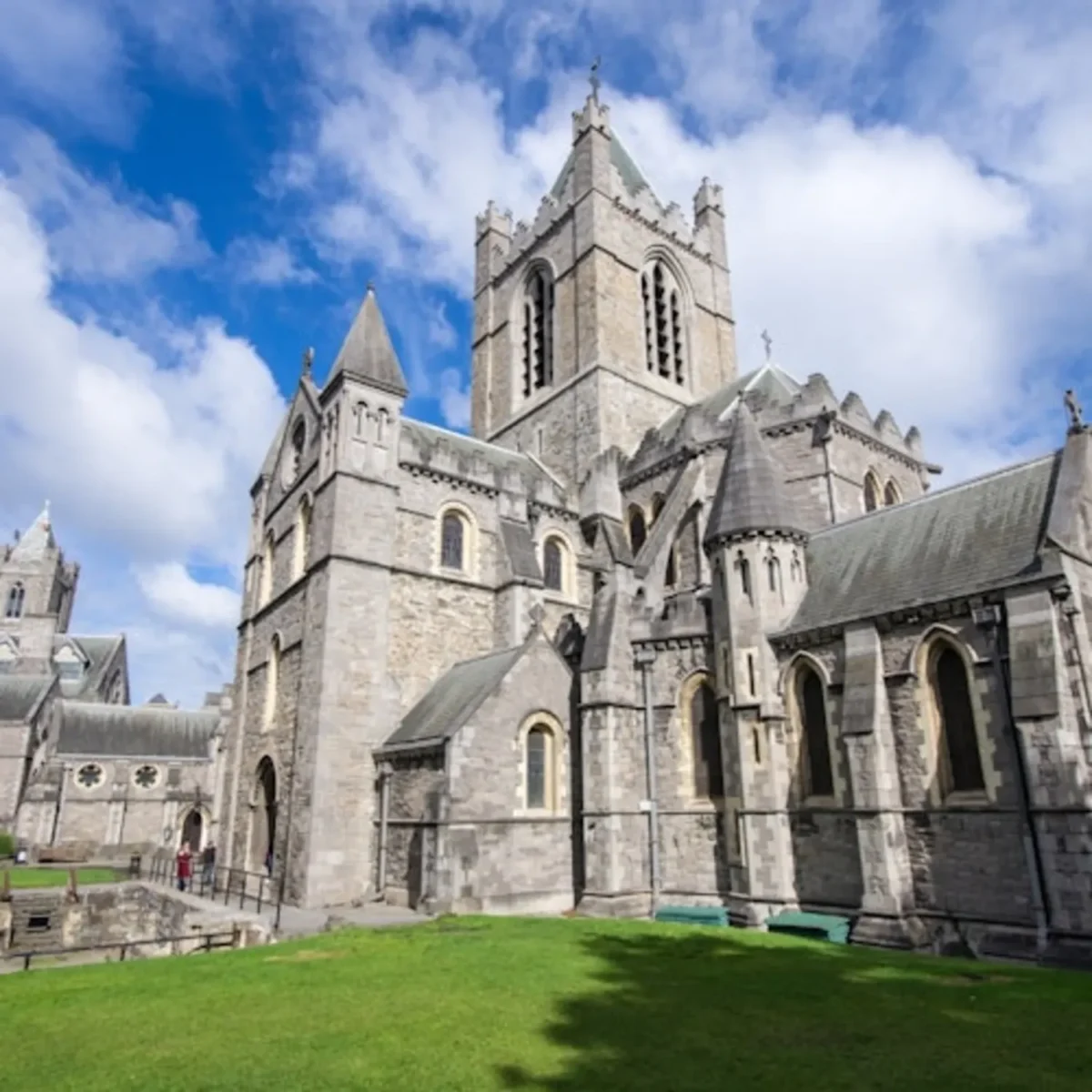
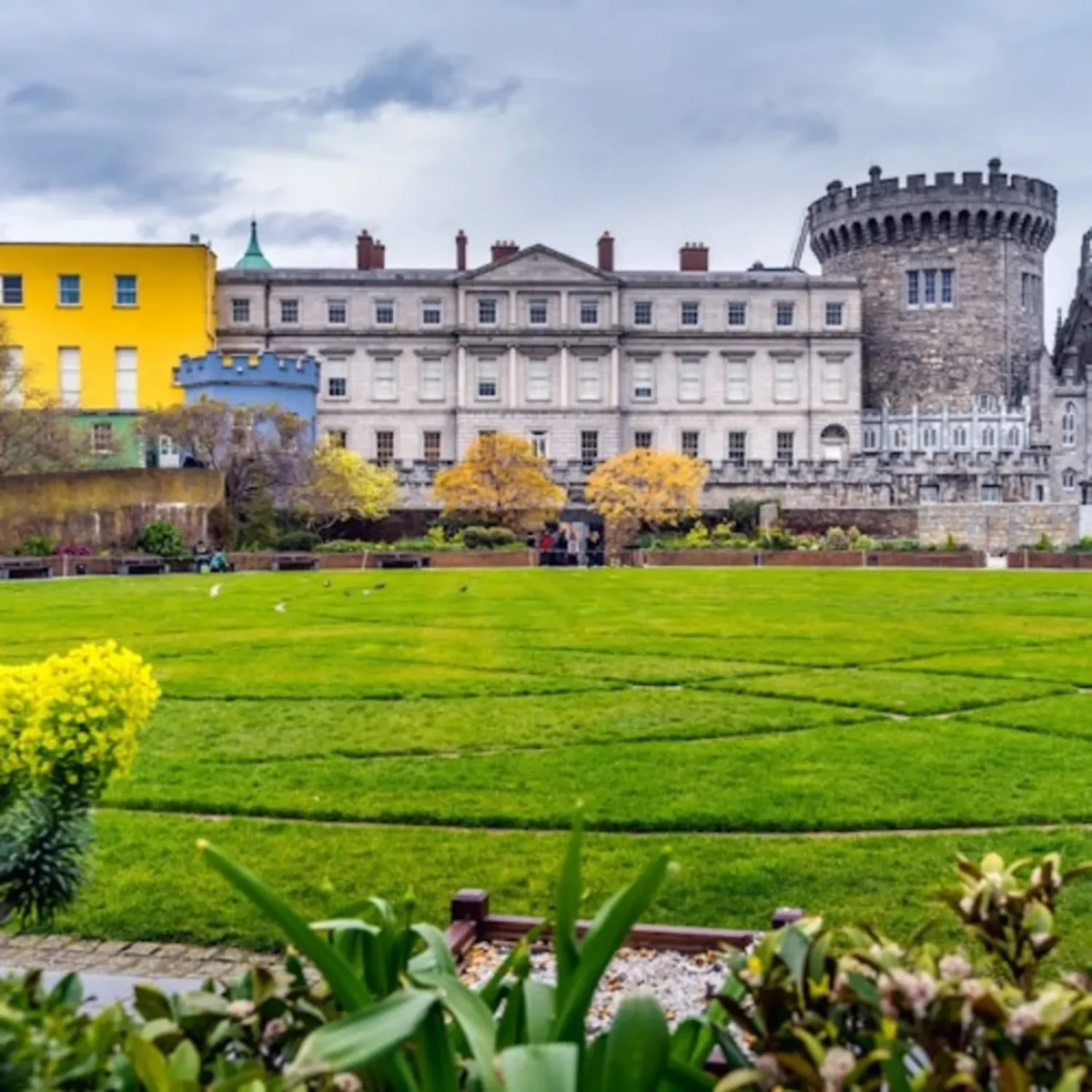
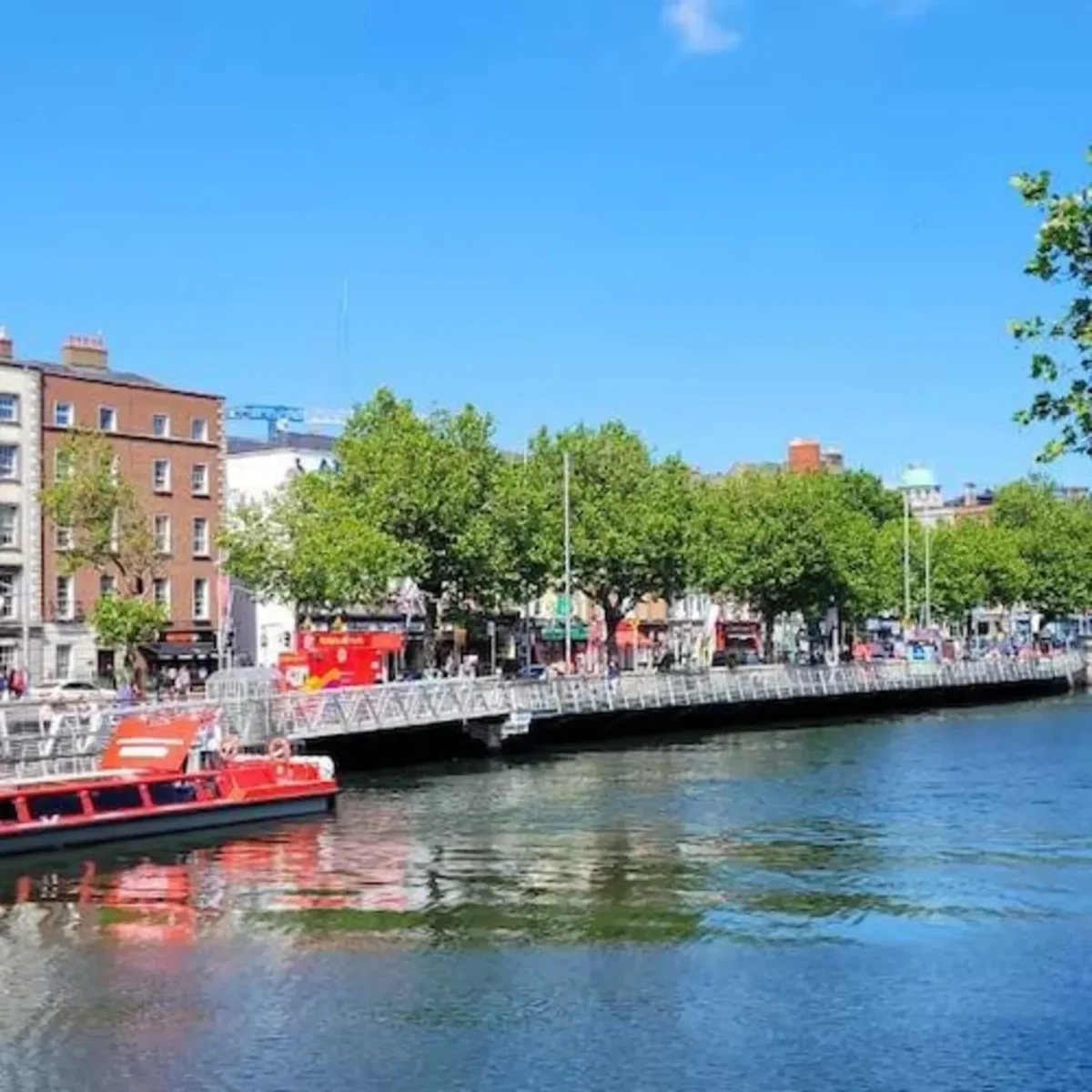
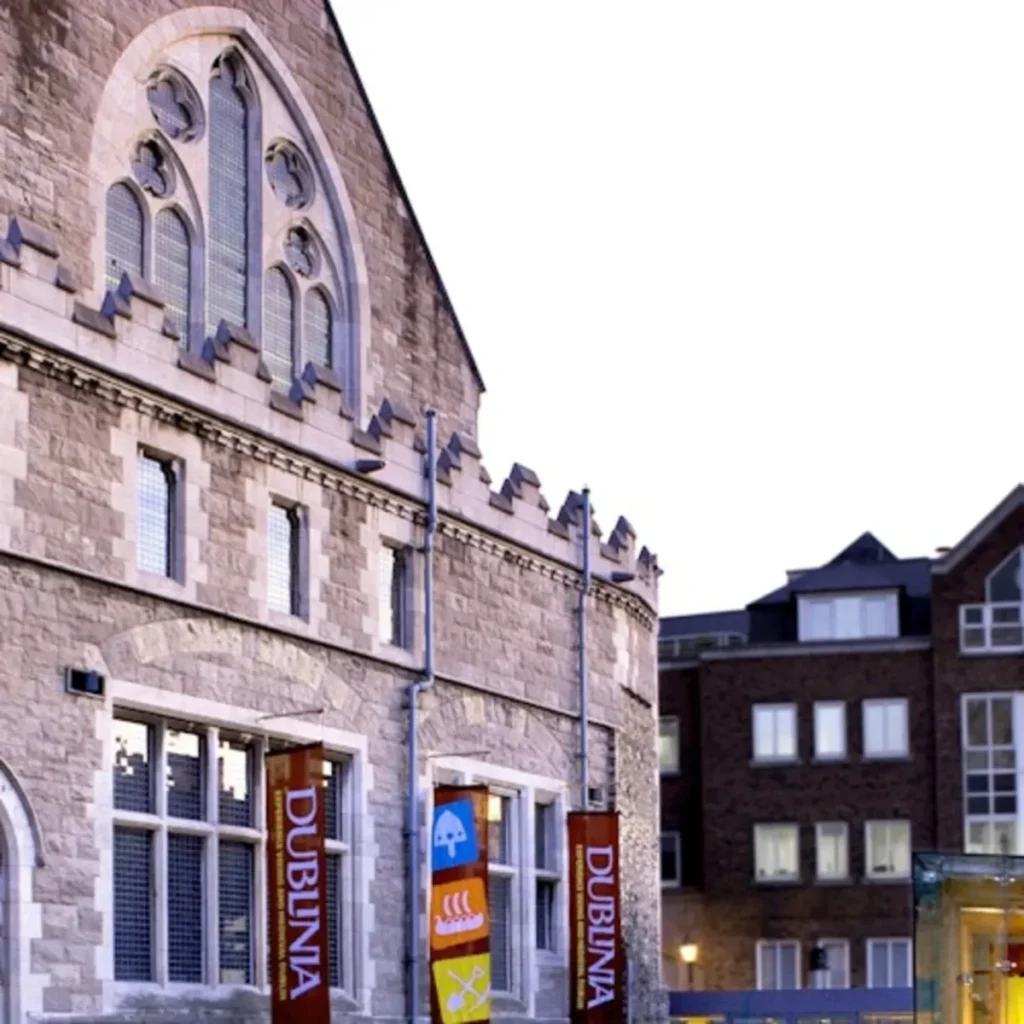
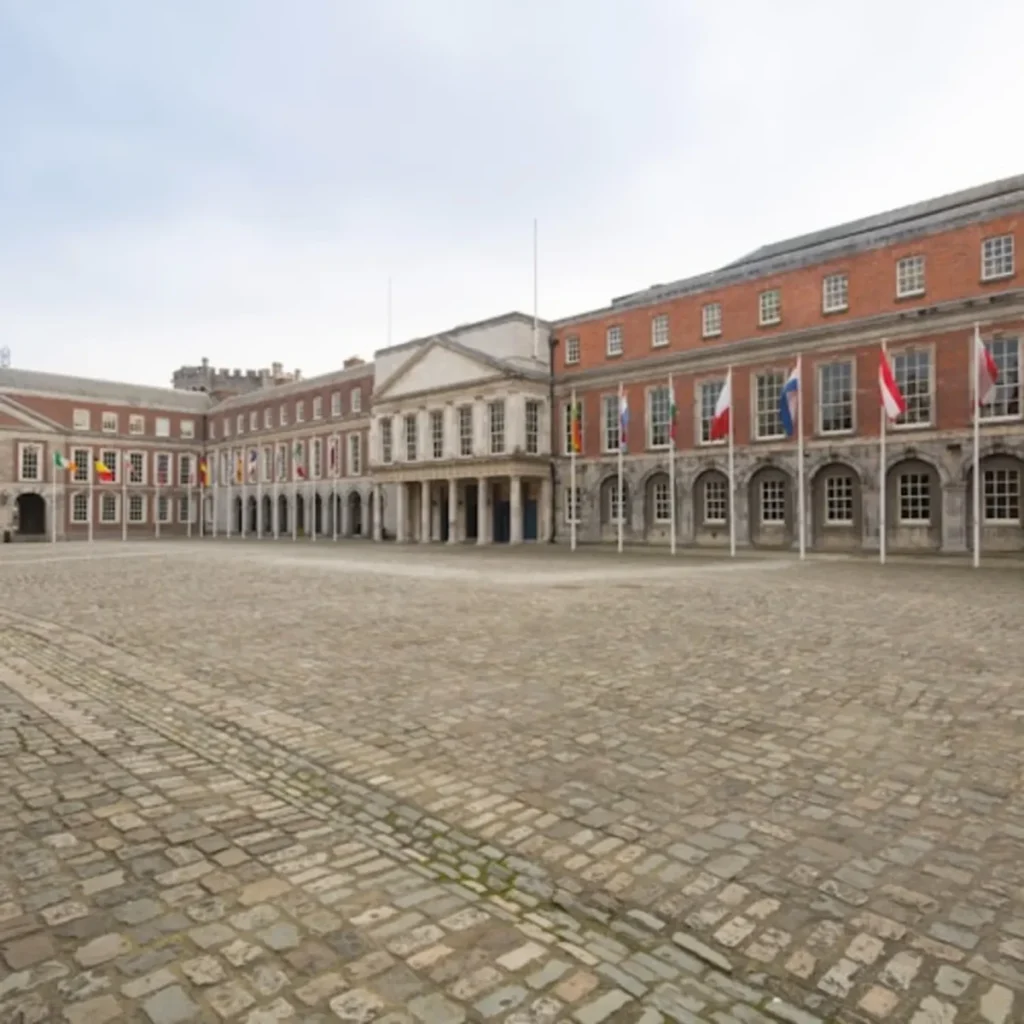
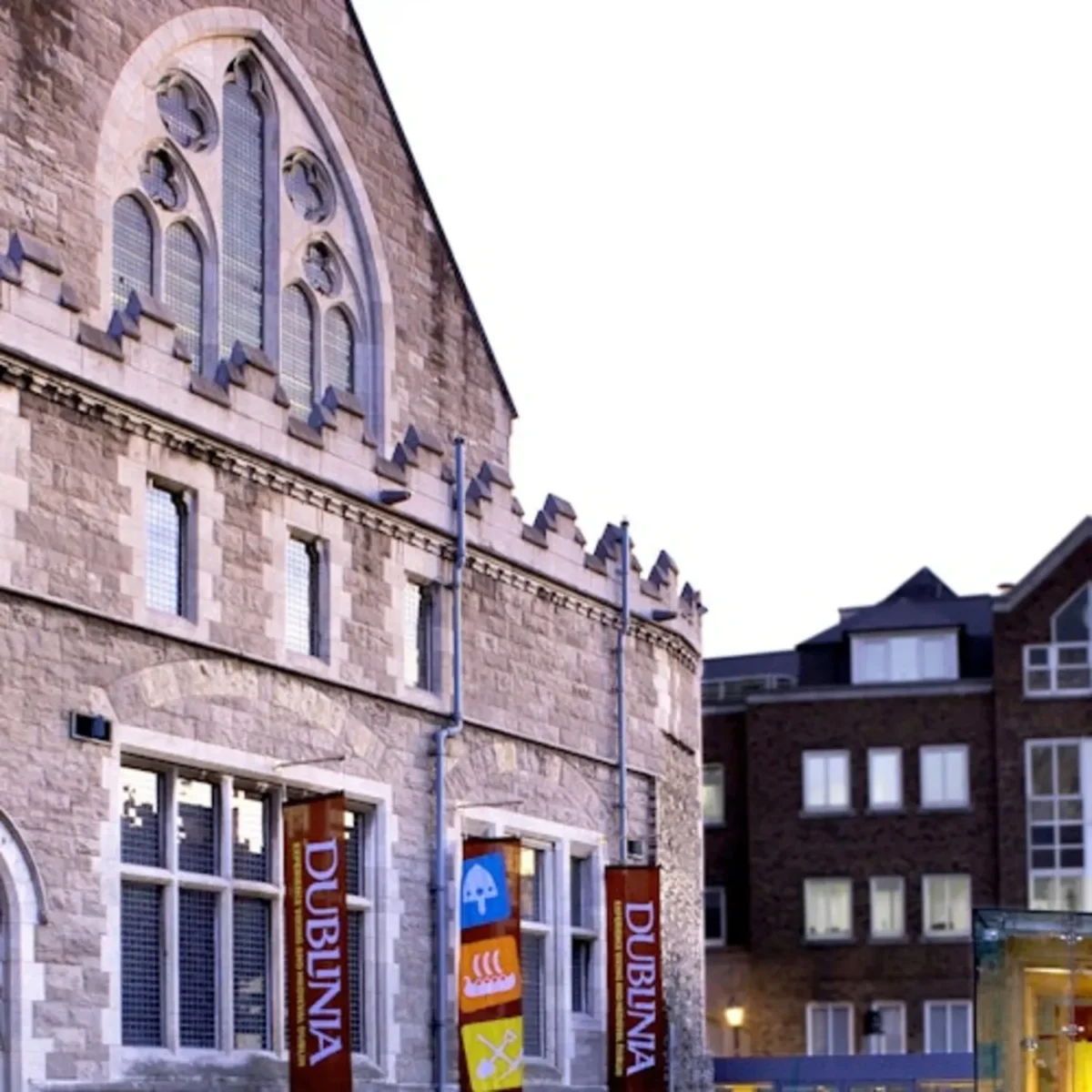
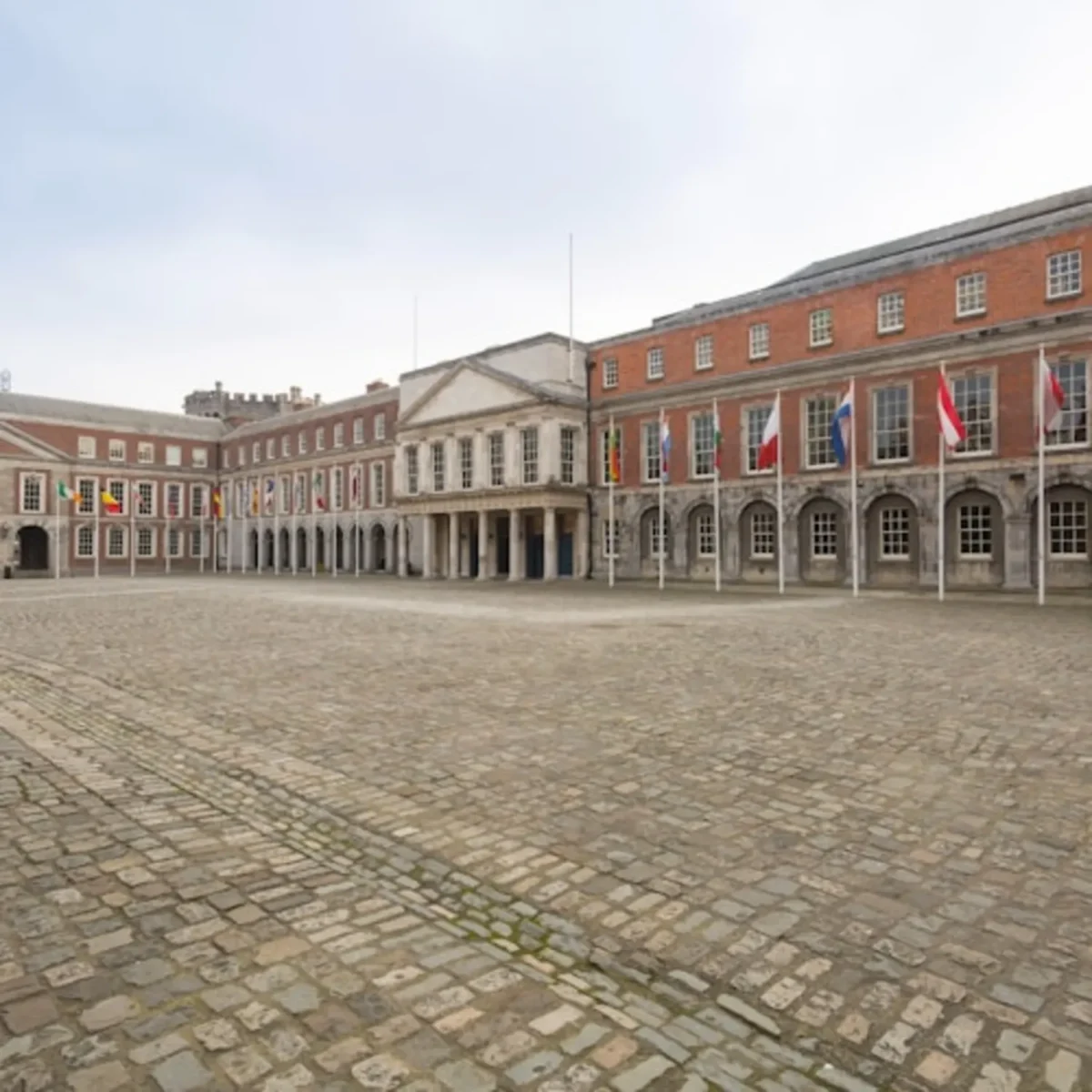
Dublin is geographically bisected by the River Liffey, creating a distinct dynamic between the Northside and Southside, both packed with historical landmarks. On the Southside, the historic Medieval Quarter houses iconic structures like St. Patrick’s Cathedral and Dublin Castle, while the nearby Georgian Quarter surrounds St. Stephen’s Green with classic brick architecture, Trinity College, and the Museum of Literature Ireland (MoLI).

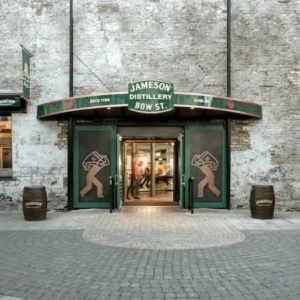
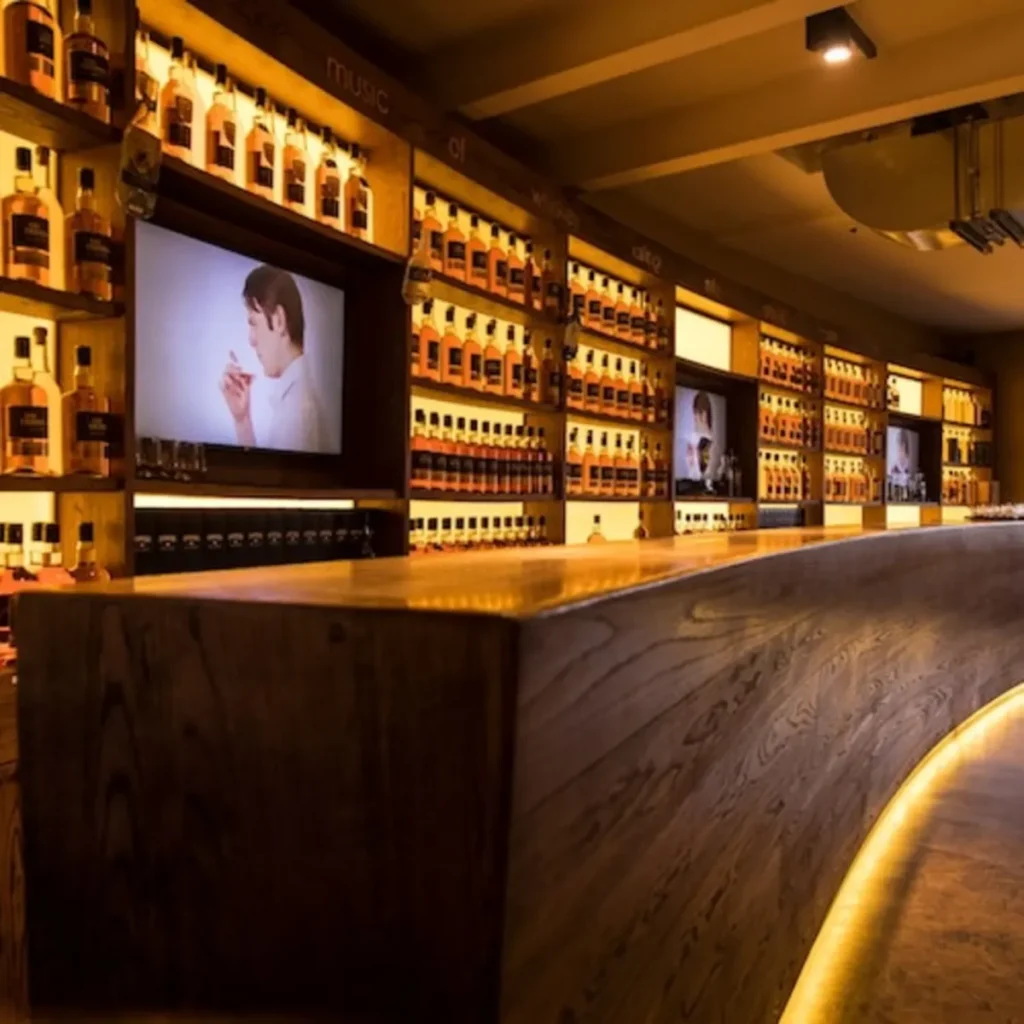
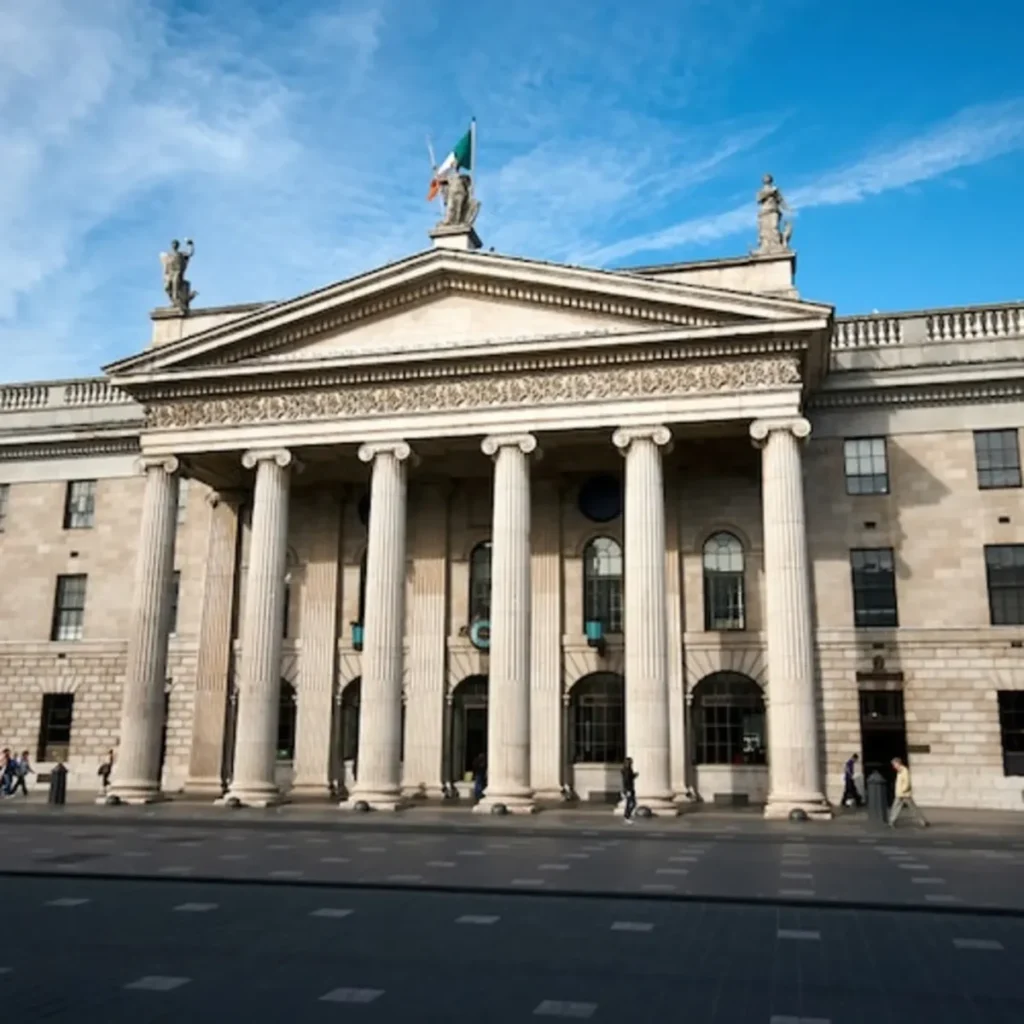
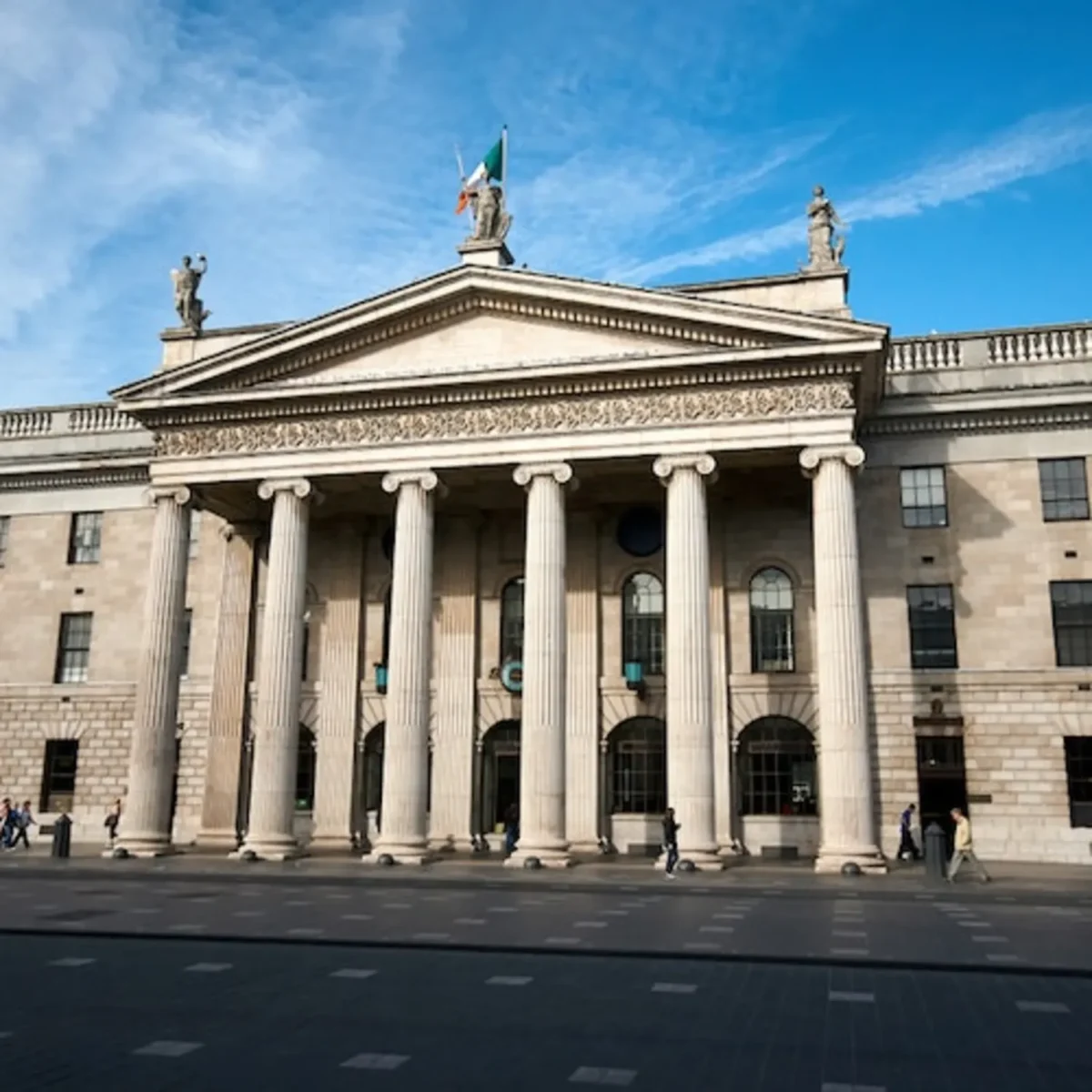
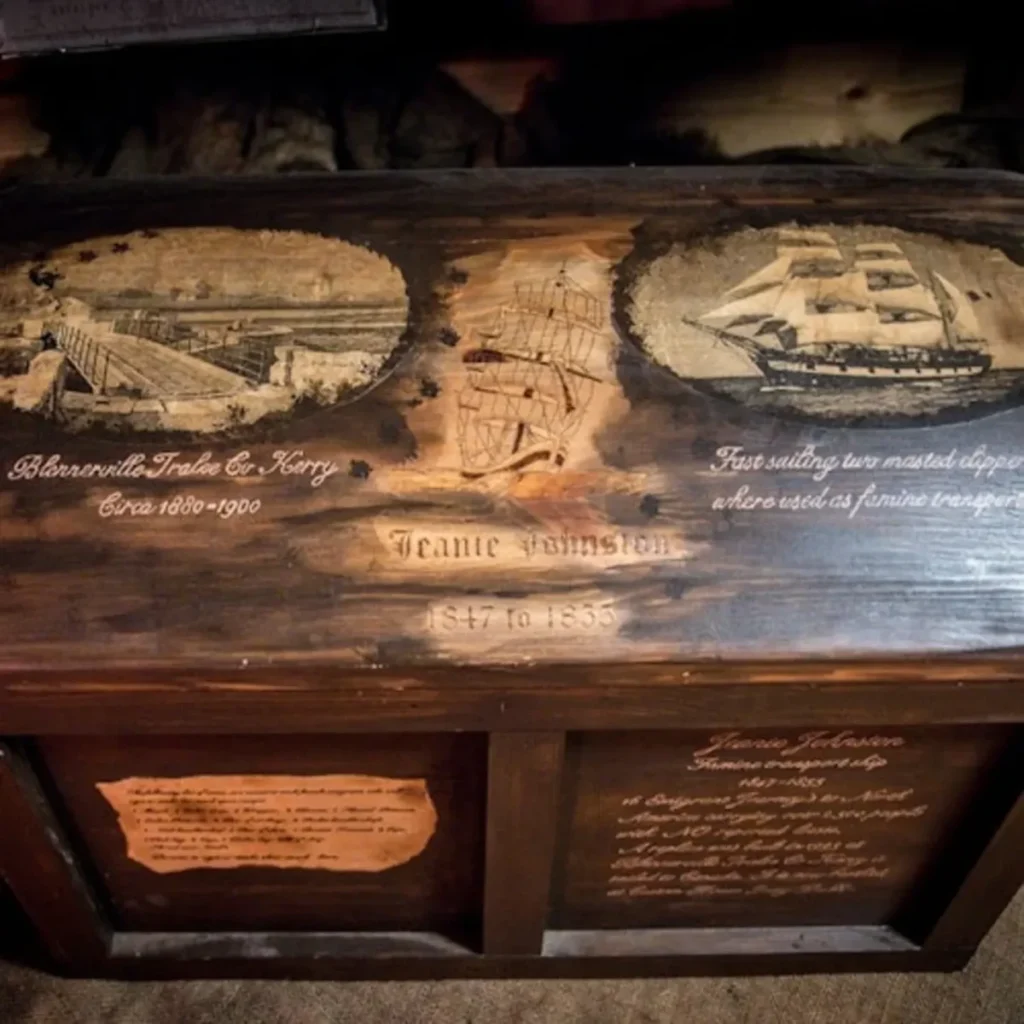
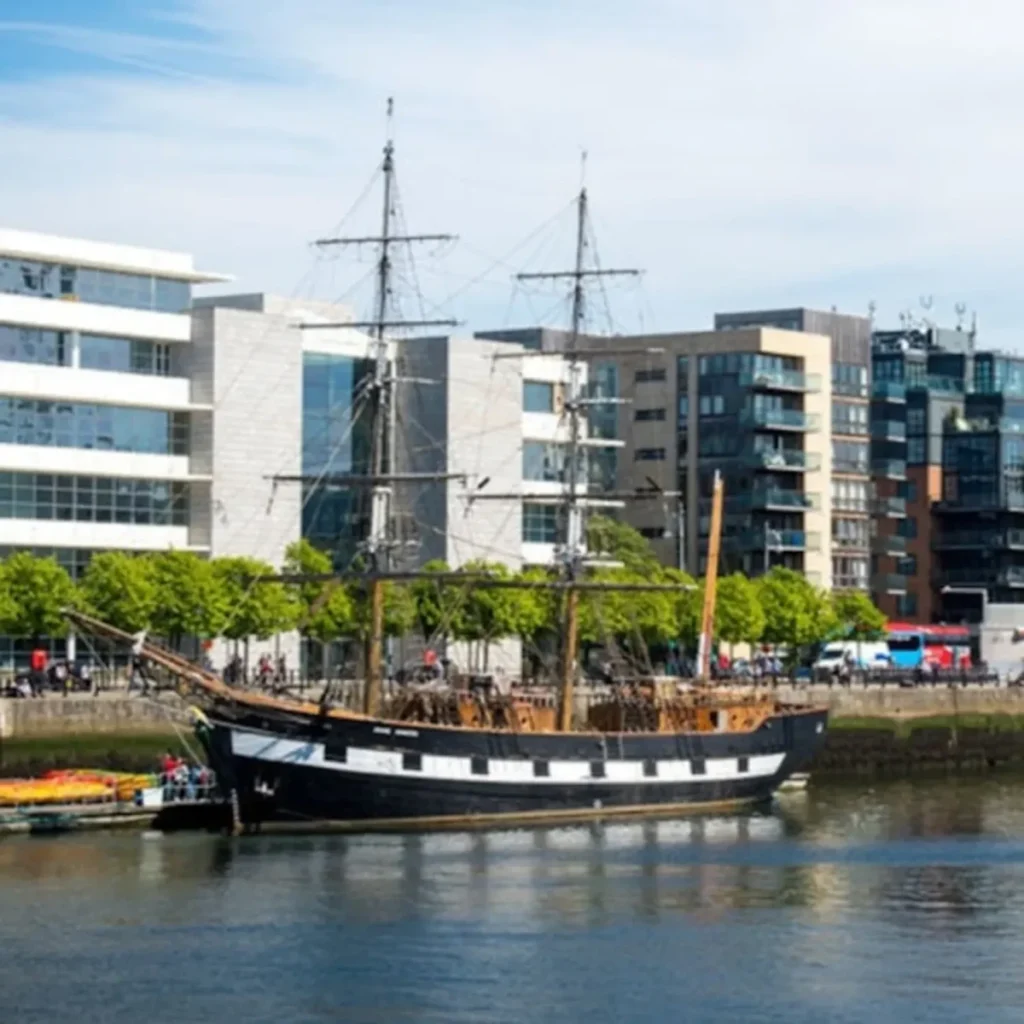
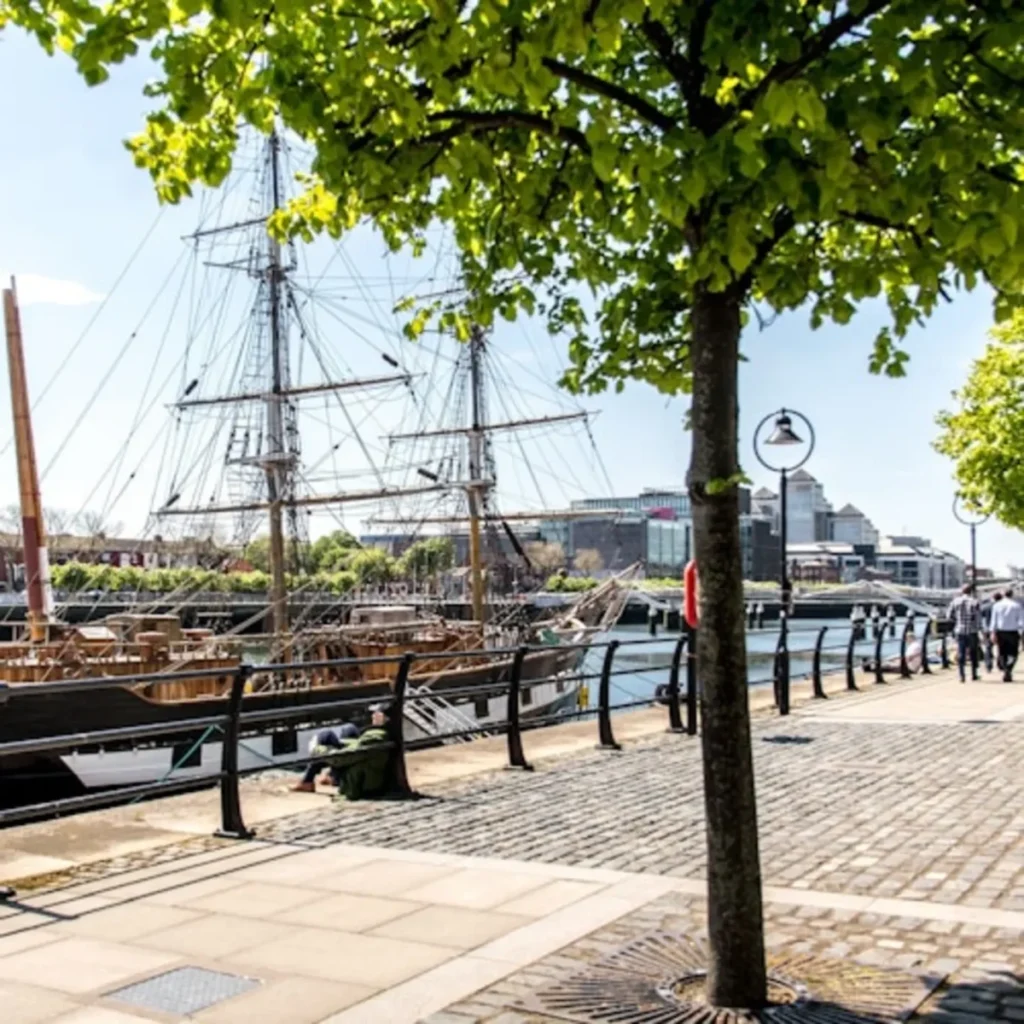
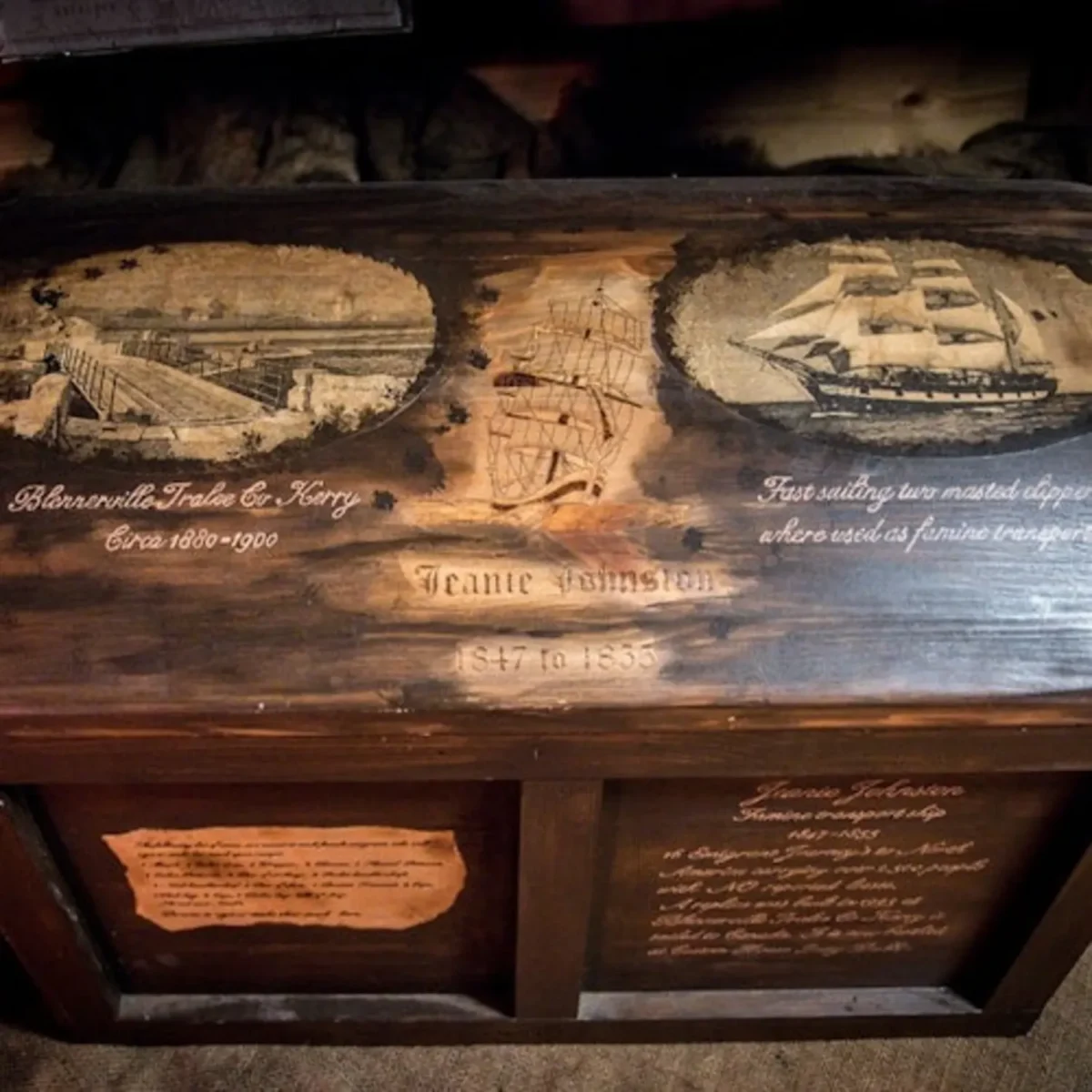
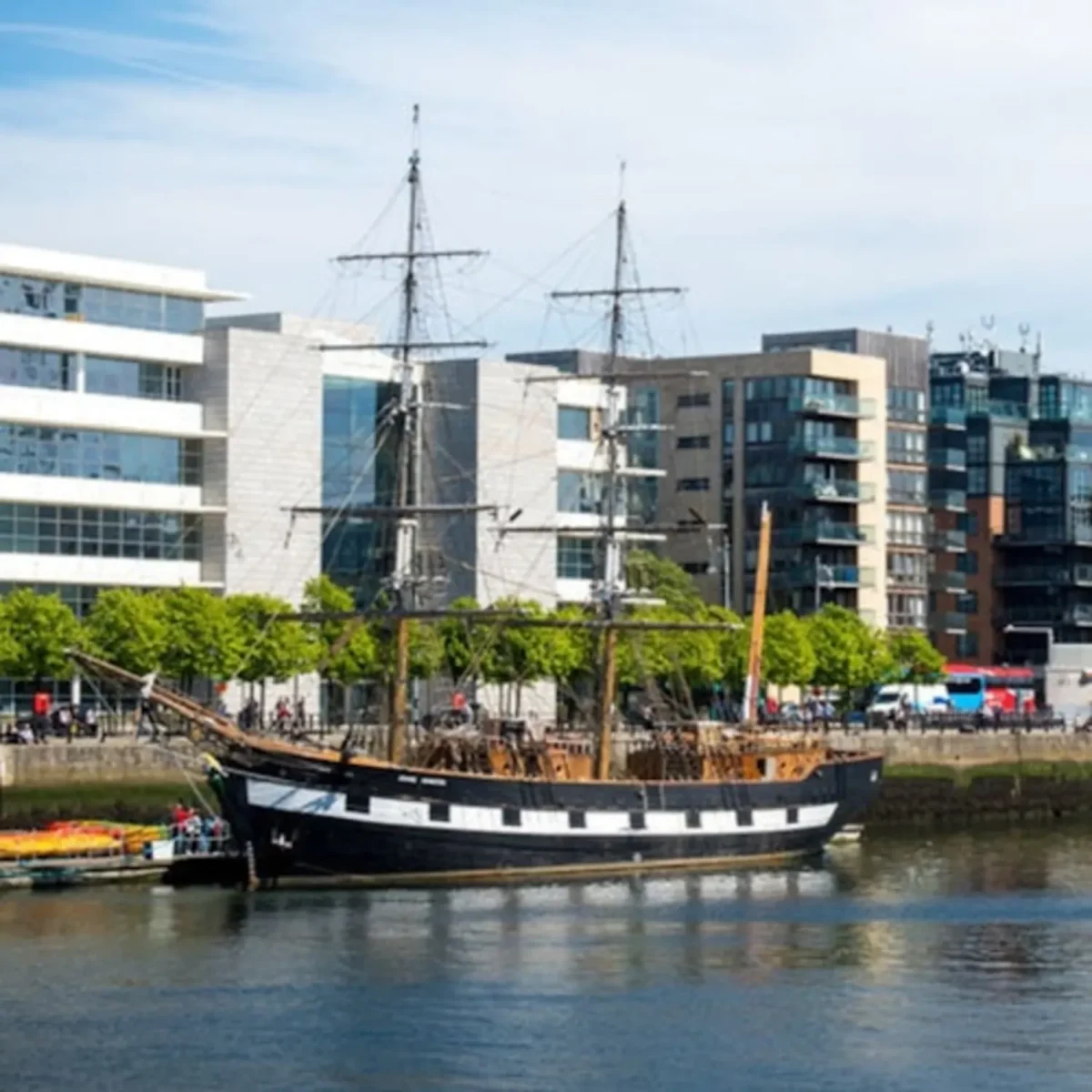
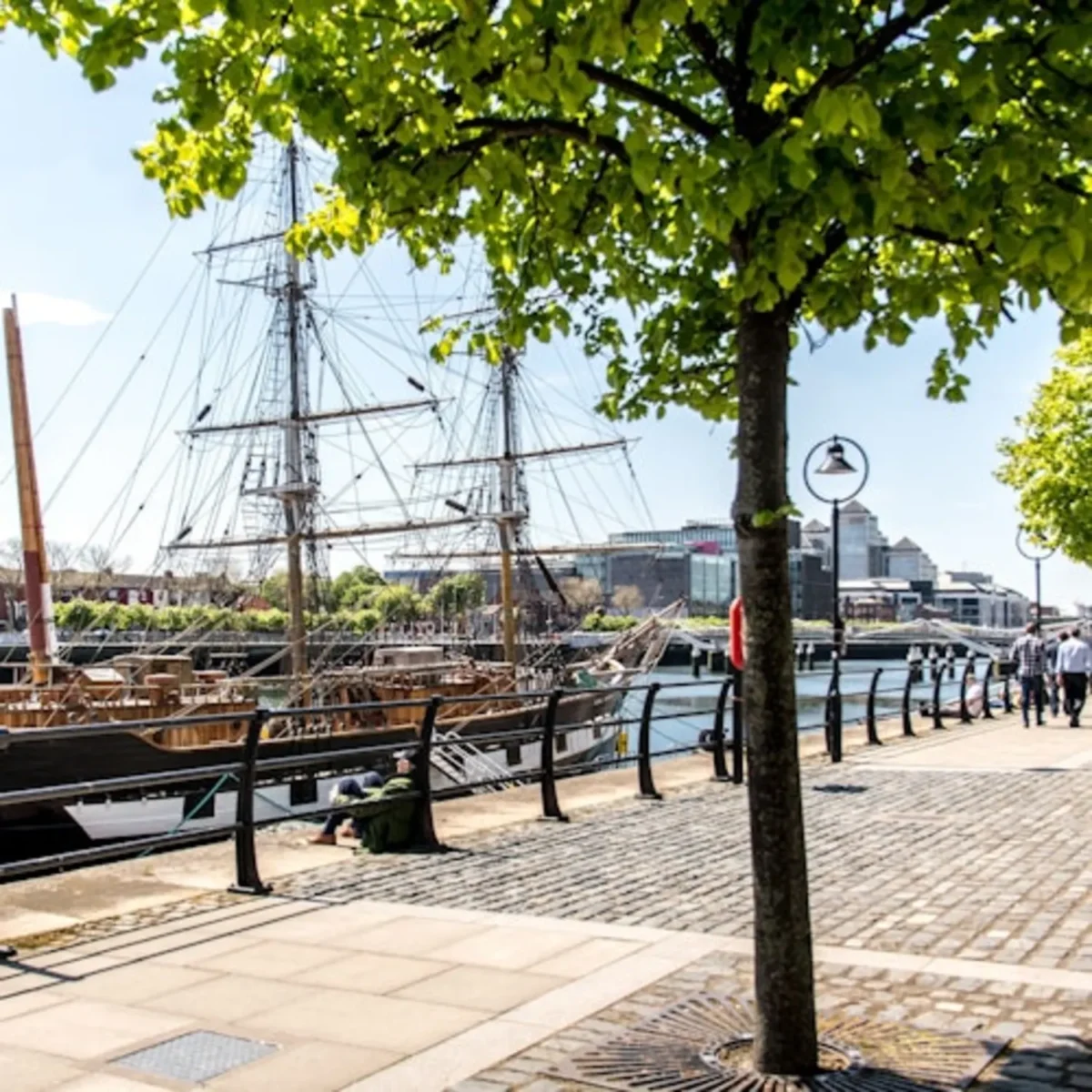
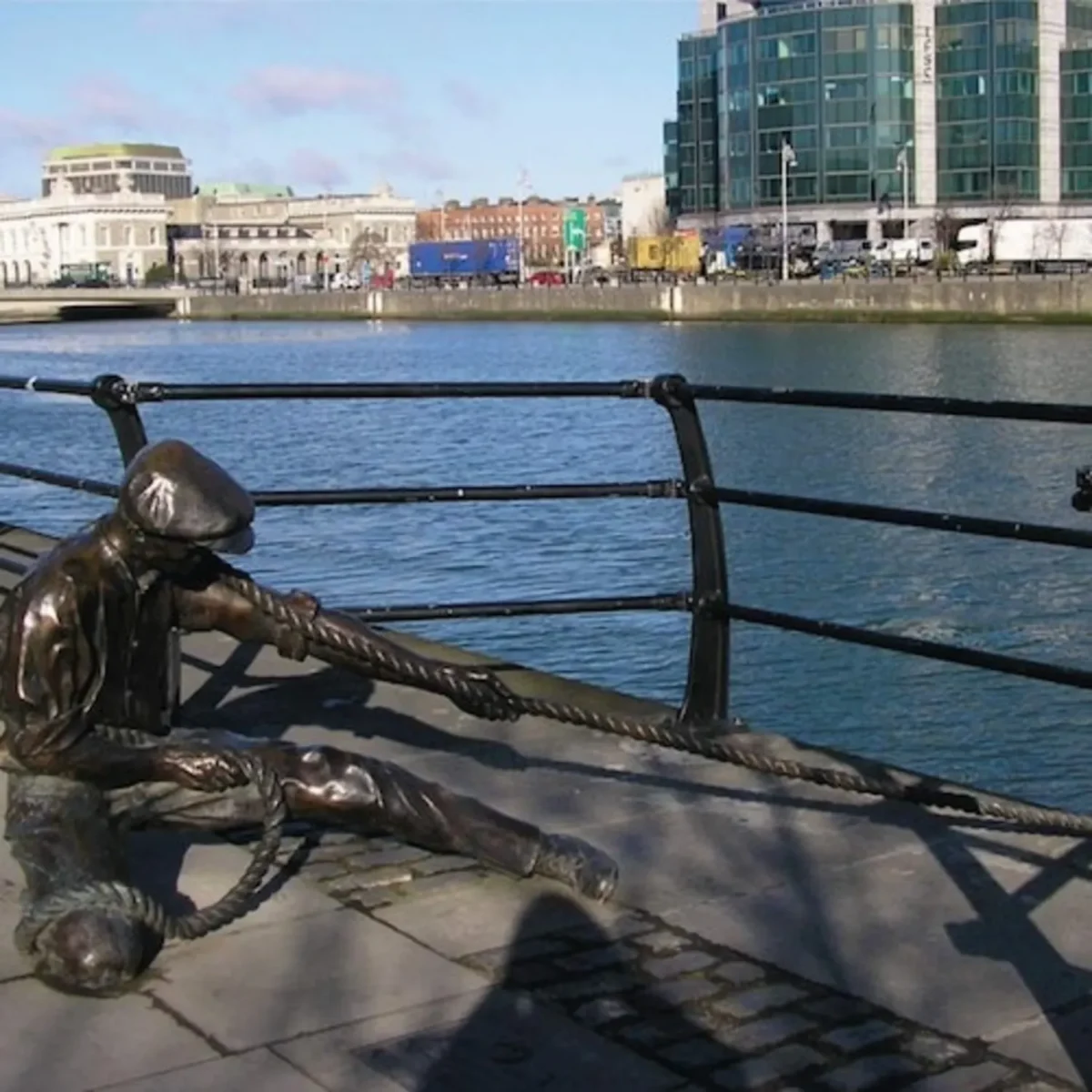
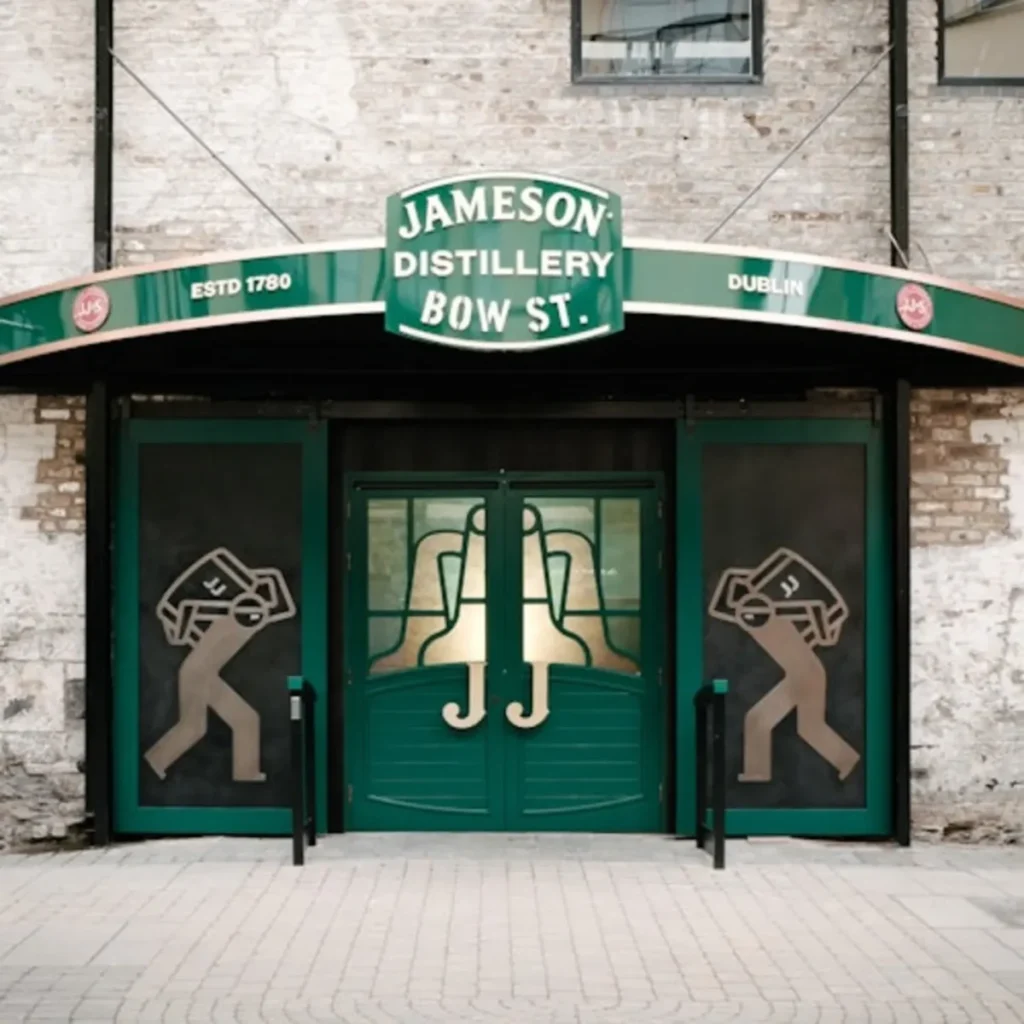
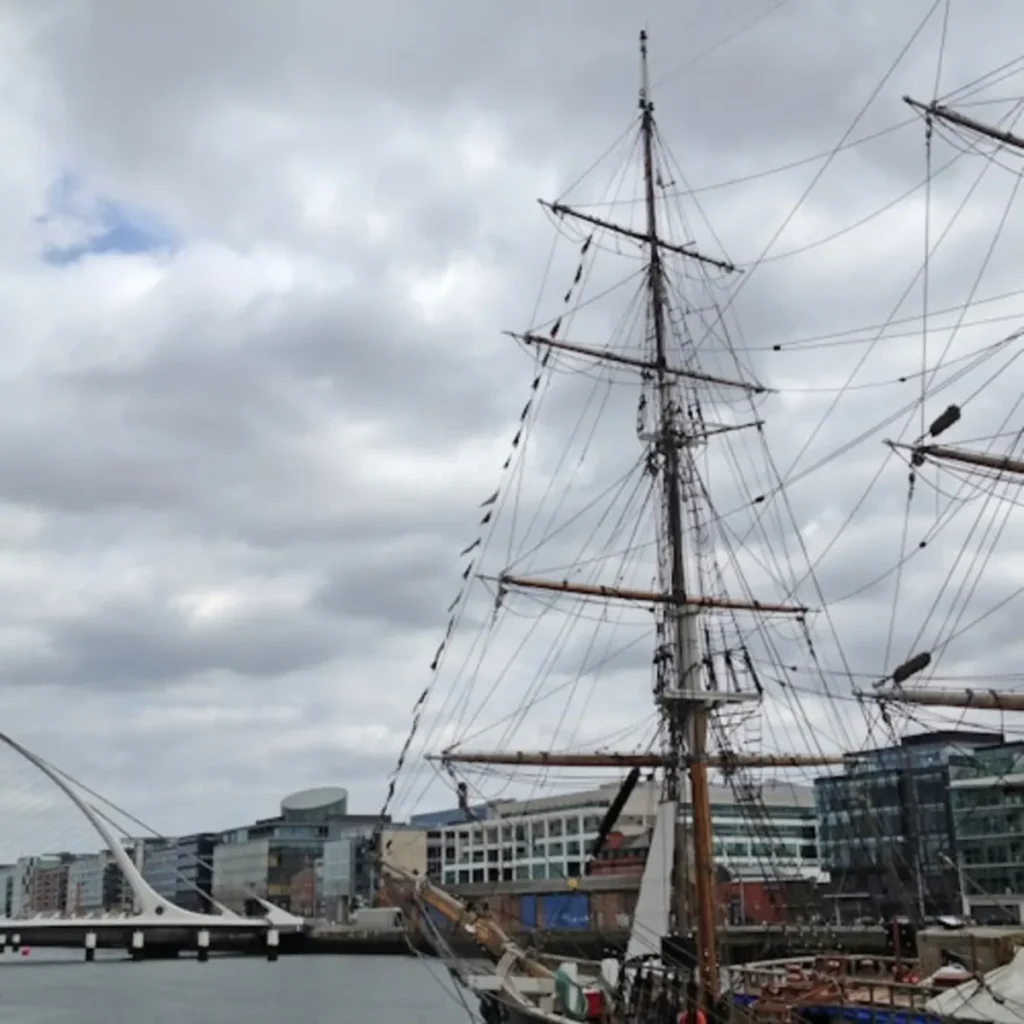
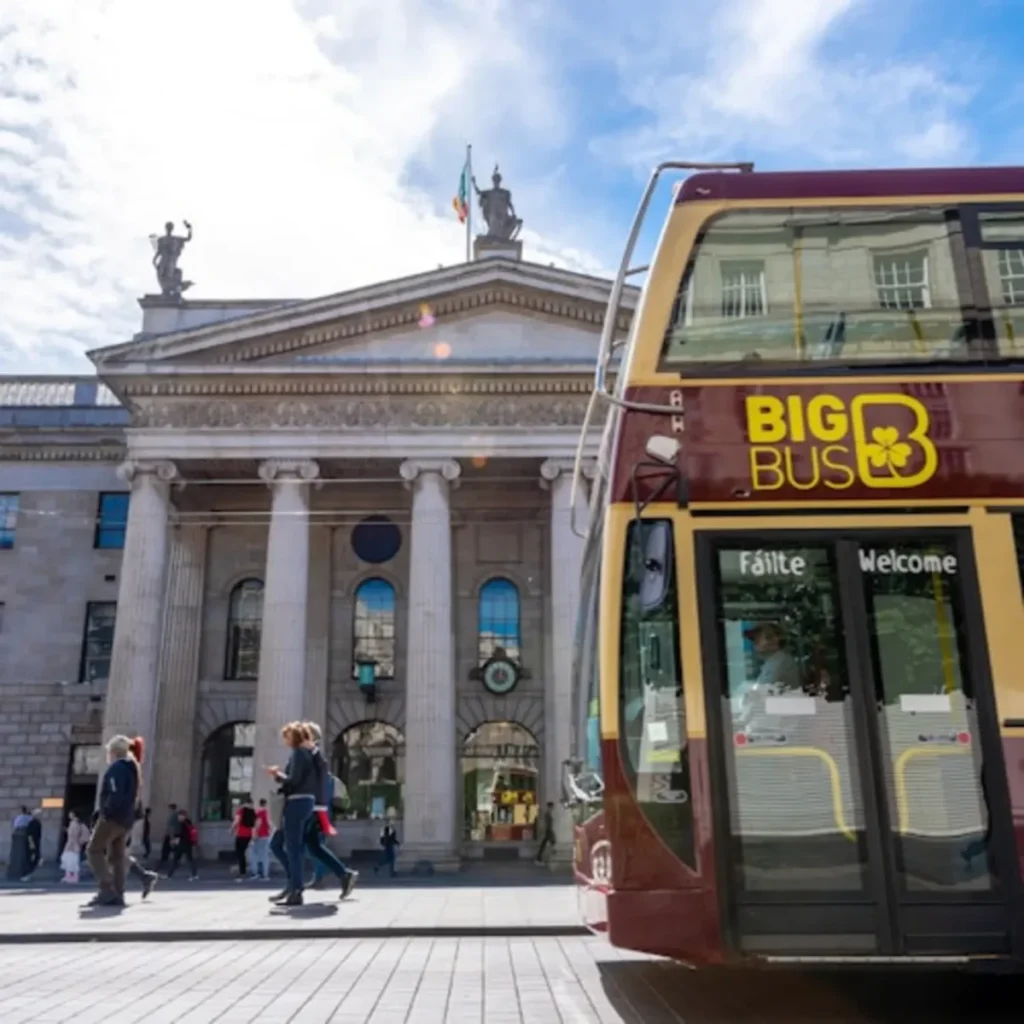
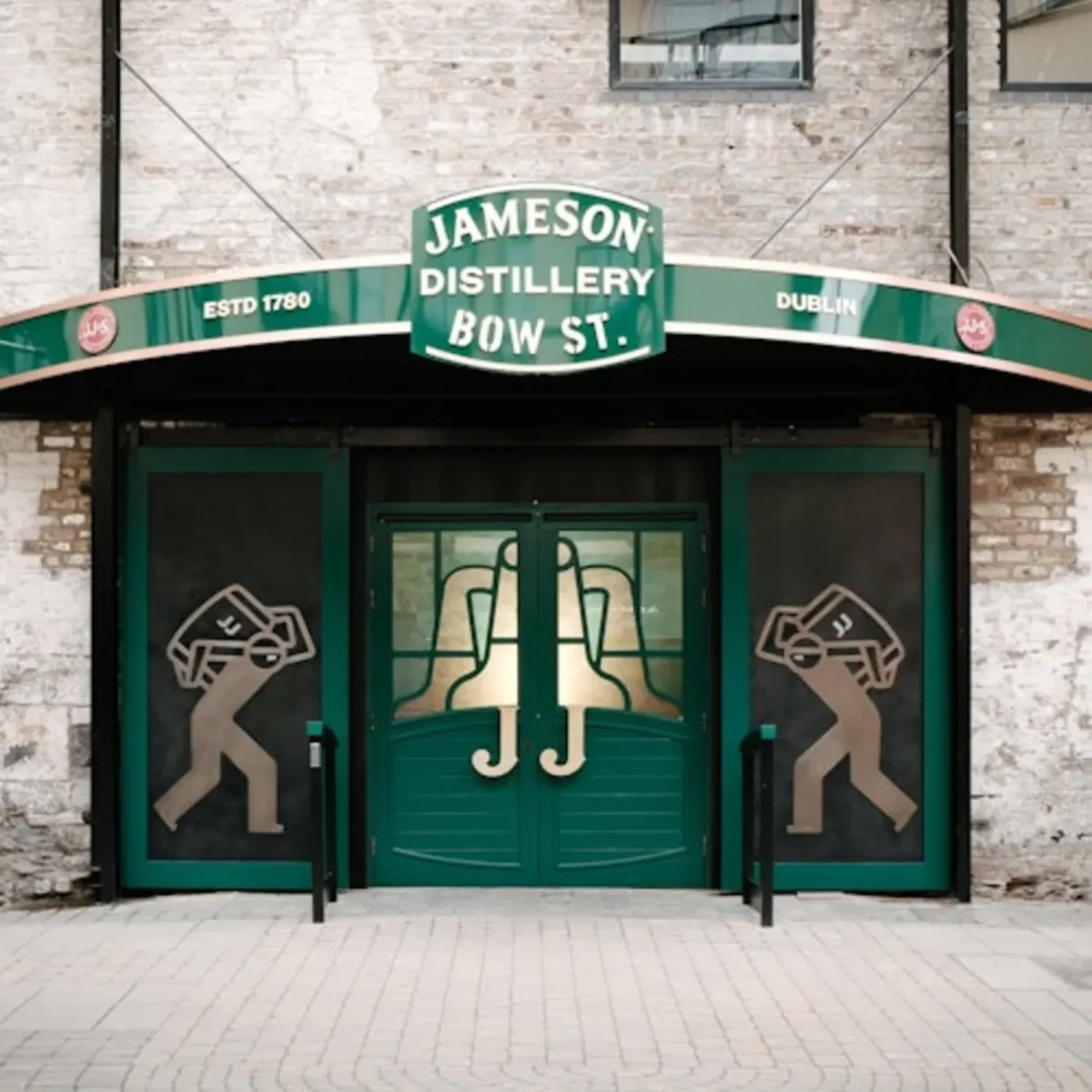
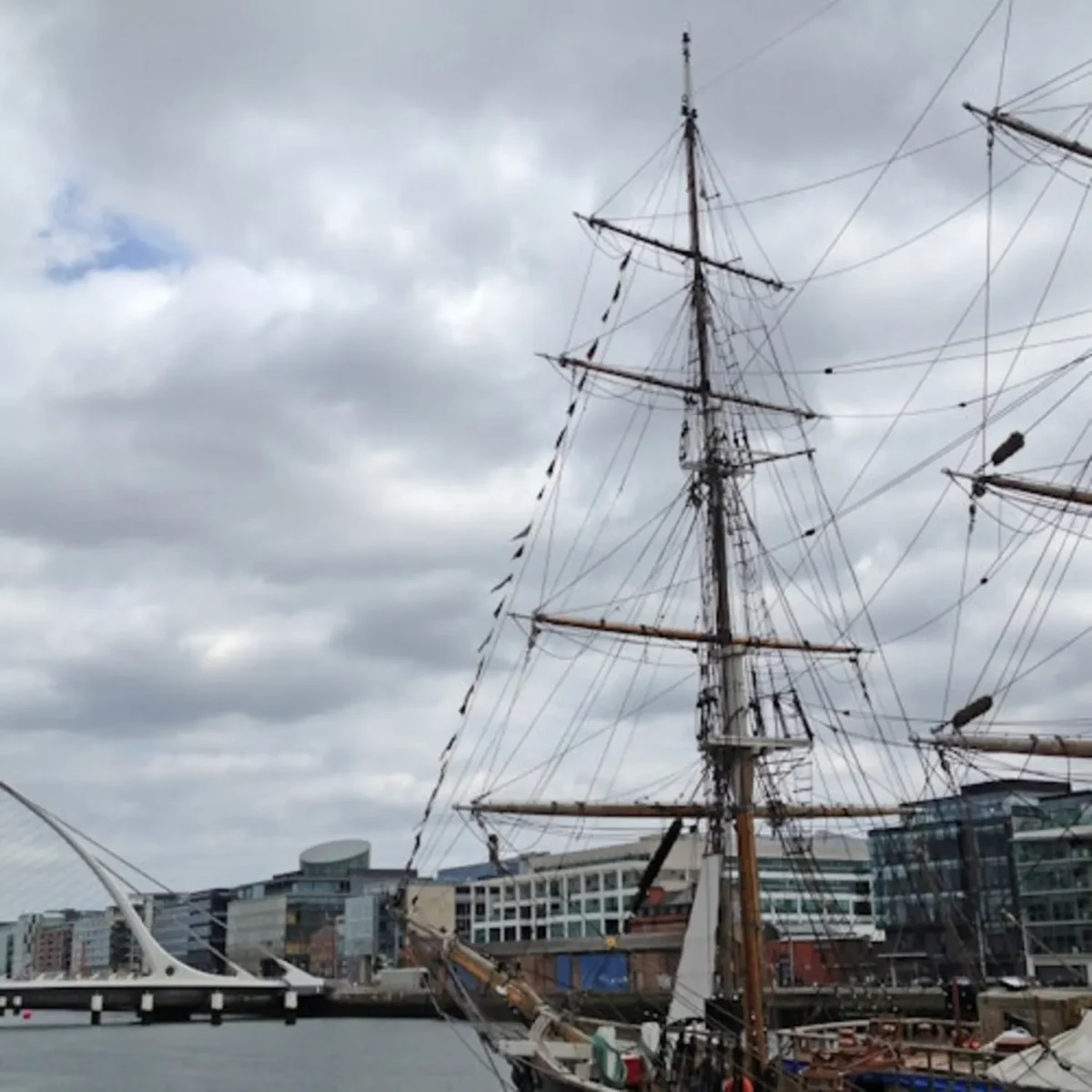
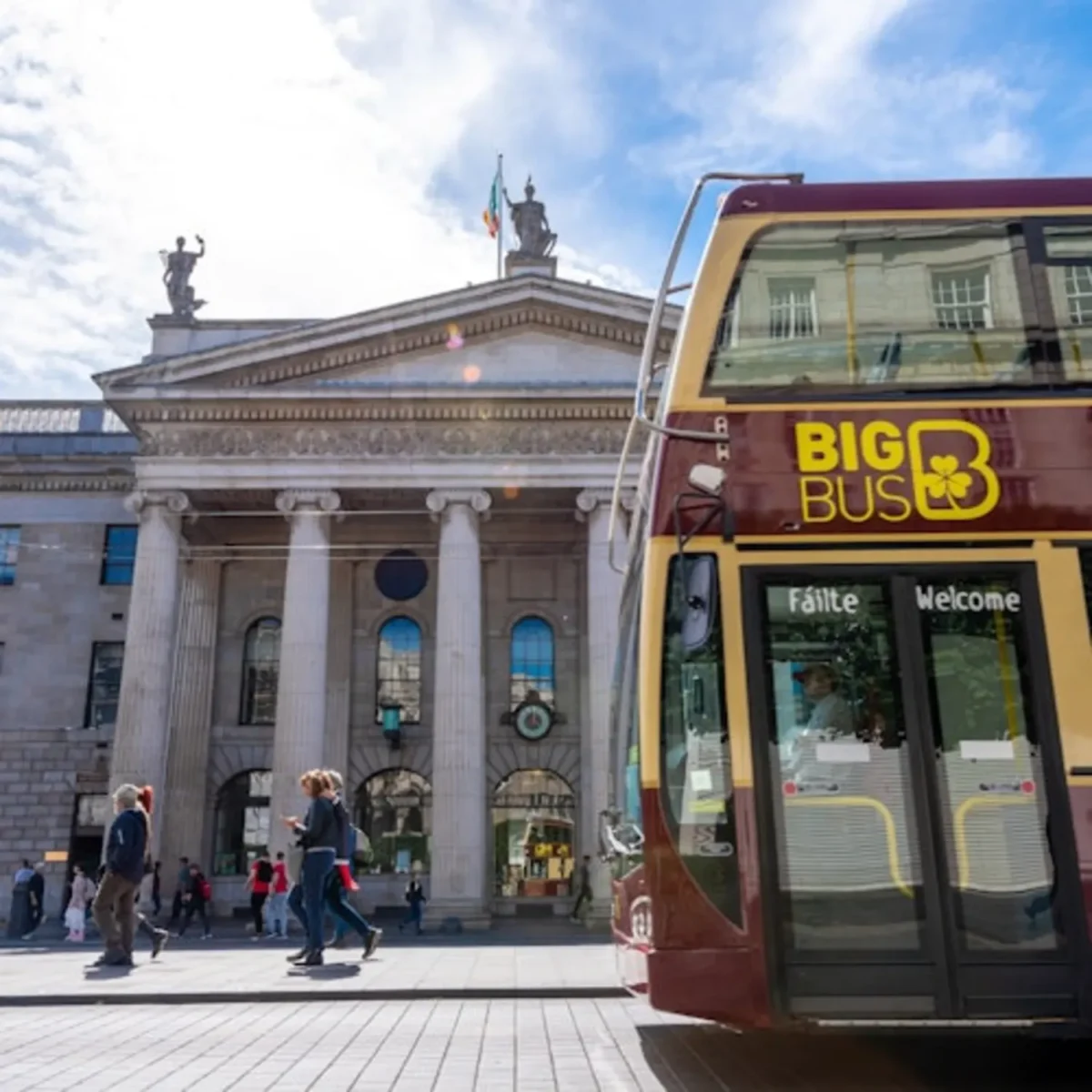
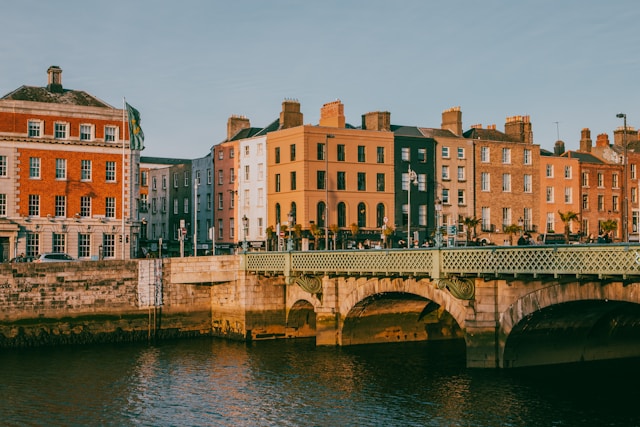
Crossing north over the river brings you to O'Connell Street, home to the historic GPO Museum and main thoroughfares. To the northwest lies Smithfield, a revitalized historic district anchored by Jameson Distillery Bow St. Further east along the water, the Dublin Docklands offers modern waterfront architecture alongside maritime heritage sites like EPIC The Irish Emigration Museum and the Jeanie Johnston tall ship.

Best Time to Visit Dublin & Seasonal Planning
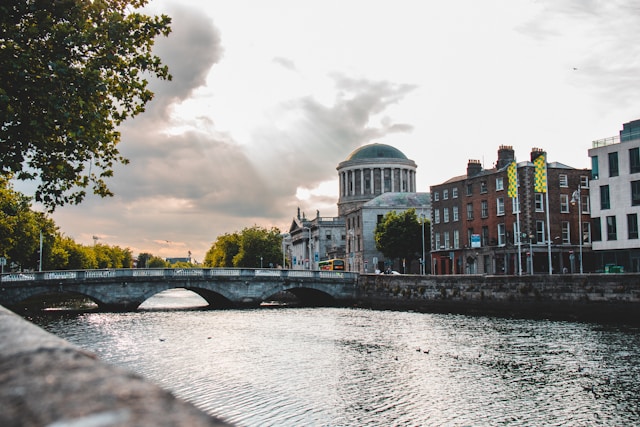
Dublin is a year-round destination, but visitor density and attraction availability vary significantly by season. Peak travel runs from May through September, offering longer daylight hours and warmer weather. During these months, demand for top attractions, morning guided walking tours, and regional day trips reaches its highest point, making advance online booking essential.

Traveling during the shoulder and off-peak months, from October to April, provides a quieter experience with shorter queue times at major museums and historic landmarks. While daylight hours are shorter, winter and spring bring lower accommodation rates and greater flexibility for last-minute itinerary adjustments.

Why Booking Dublin Entry Tickets in Advance Matters
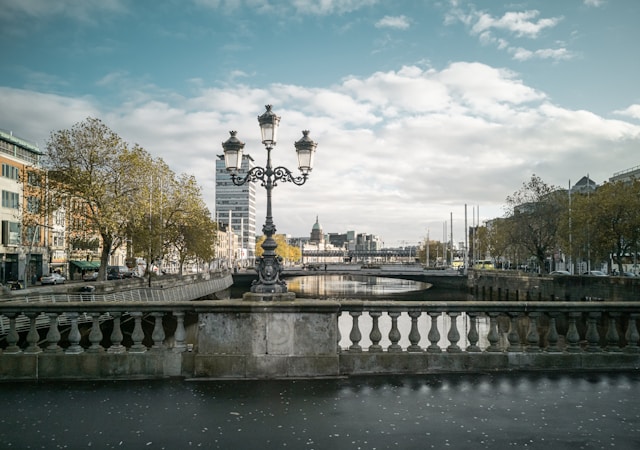
Popular venues across Dublin operate under timed-entry slot systems to preserve historic interiors and ensure comfortable visitor flow. High-demand sites, whiskey distilleries, and specialized walking tours frequently sell out early, particularly during spring and summer peak travel seasons.

Securing entry passes prior to arrival guarantees entry at your preferred time, helps you bypass main ticket desk queues, and creates a clear schedule for your trip. Advance booking also makes it easier to coordinate tight itineraries when combining multiple venues in a single day.

Combining City Sightseeing with Ireland Day Tours
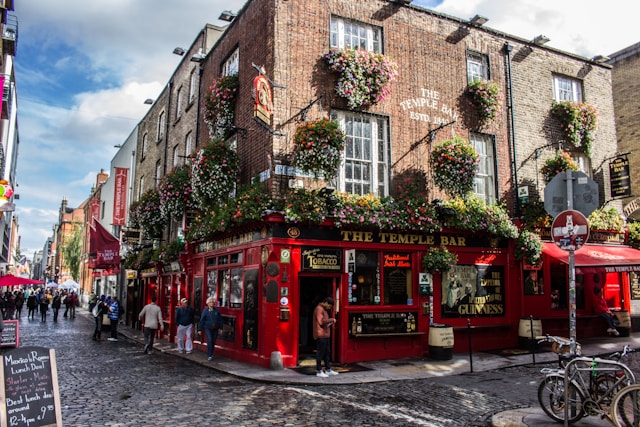
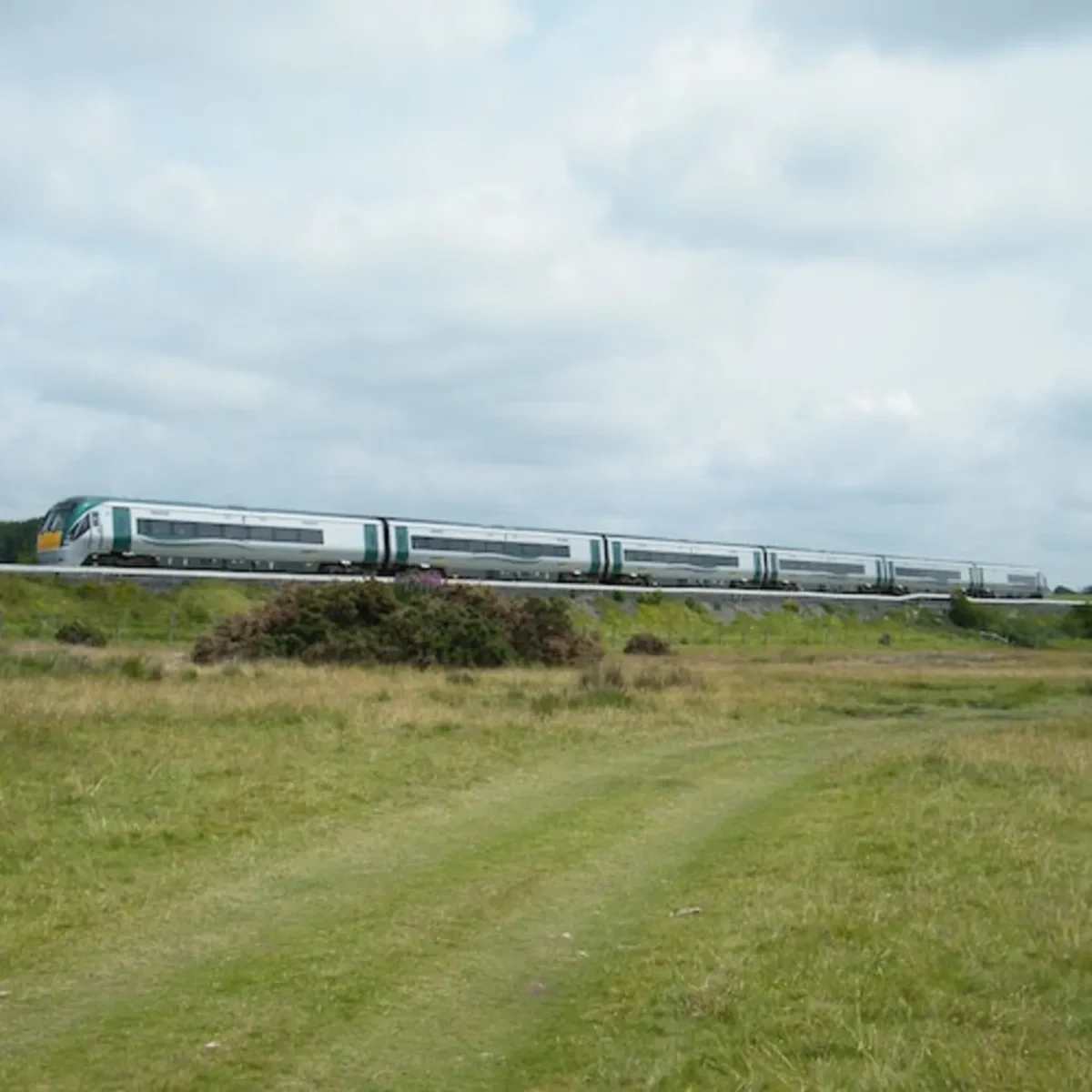
While central Dublin offers days of historical, literary, and culinary exploration, the capital also serves as the main transit hub for exploring the rest of Ireland. Direct coach and rail tours departure points in central Dublin make it easy to head out into the countryside without renting a car.

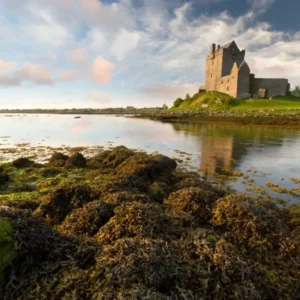
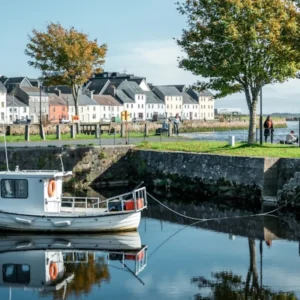
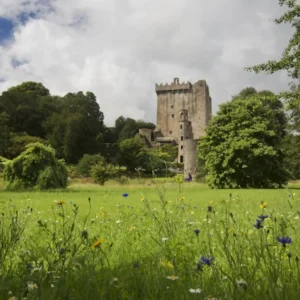
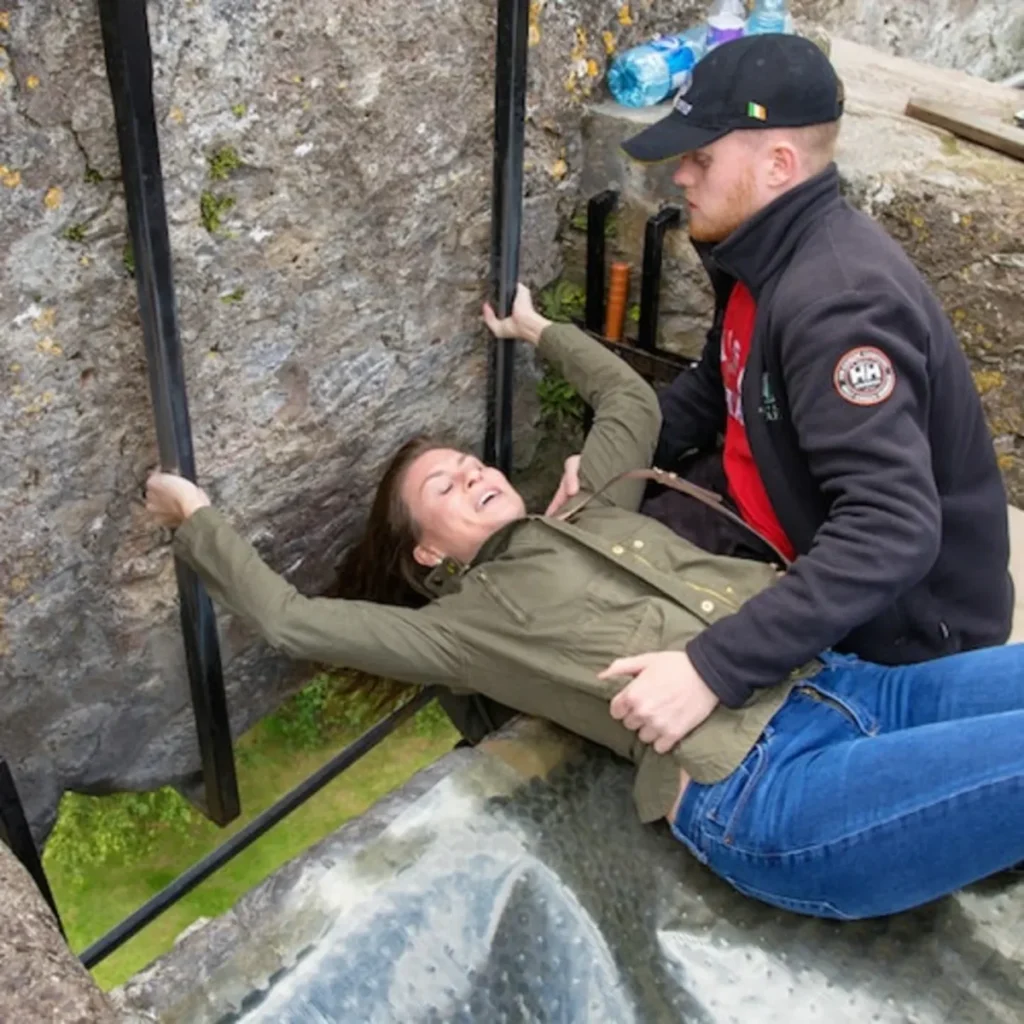
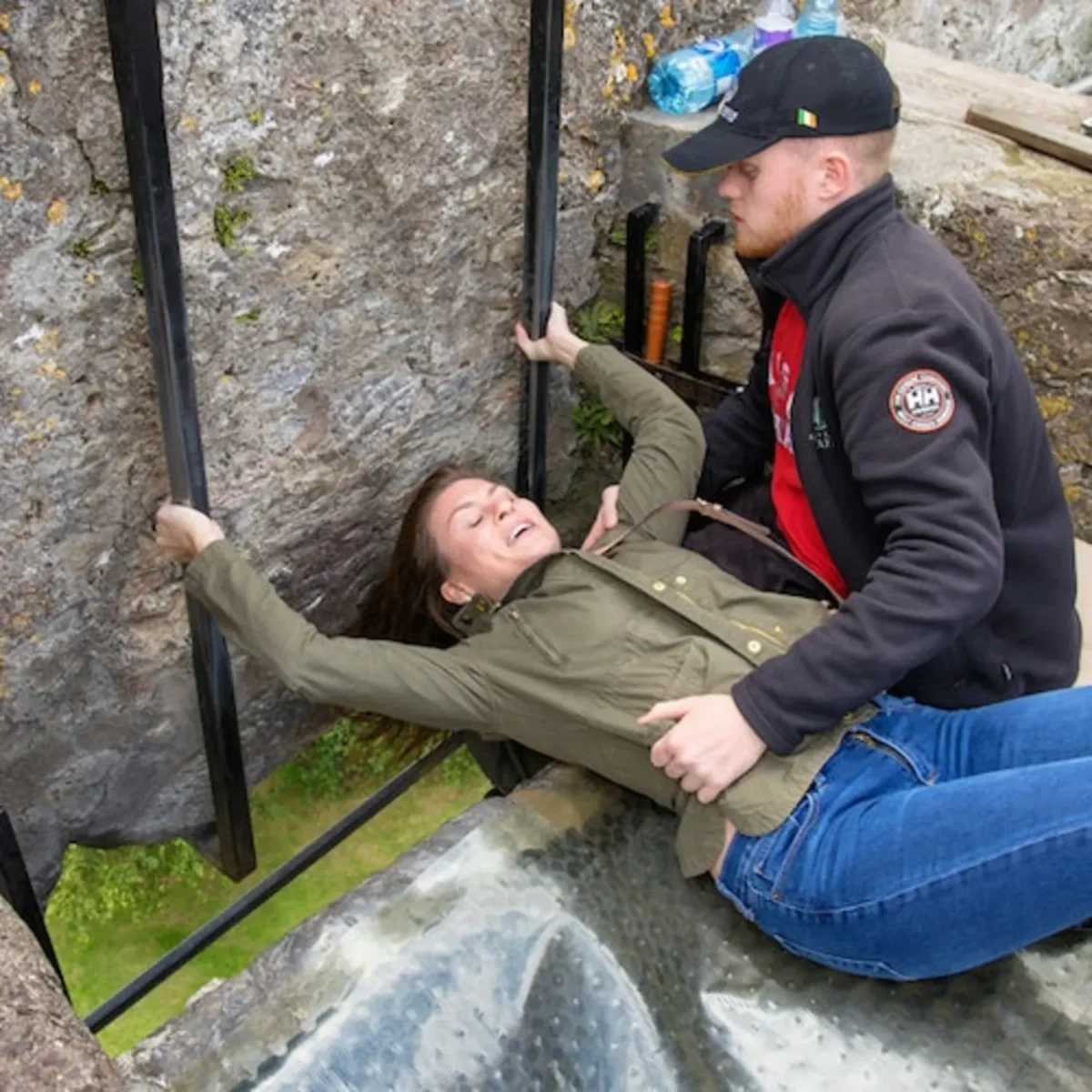
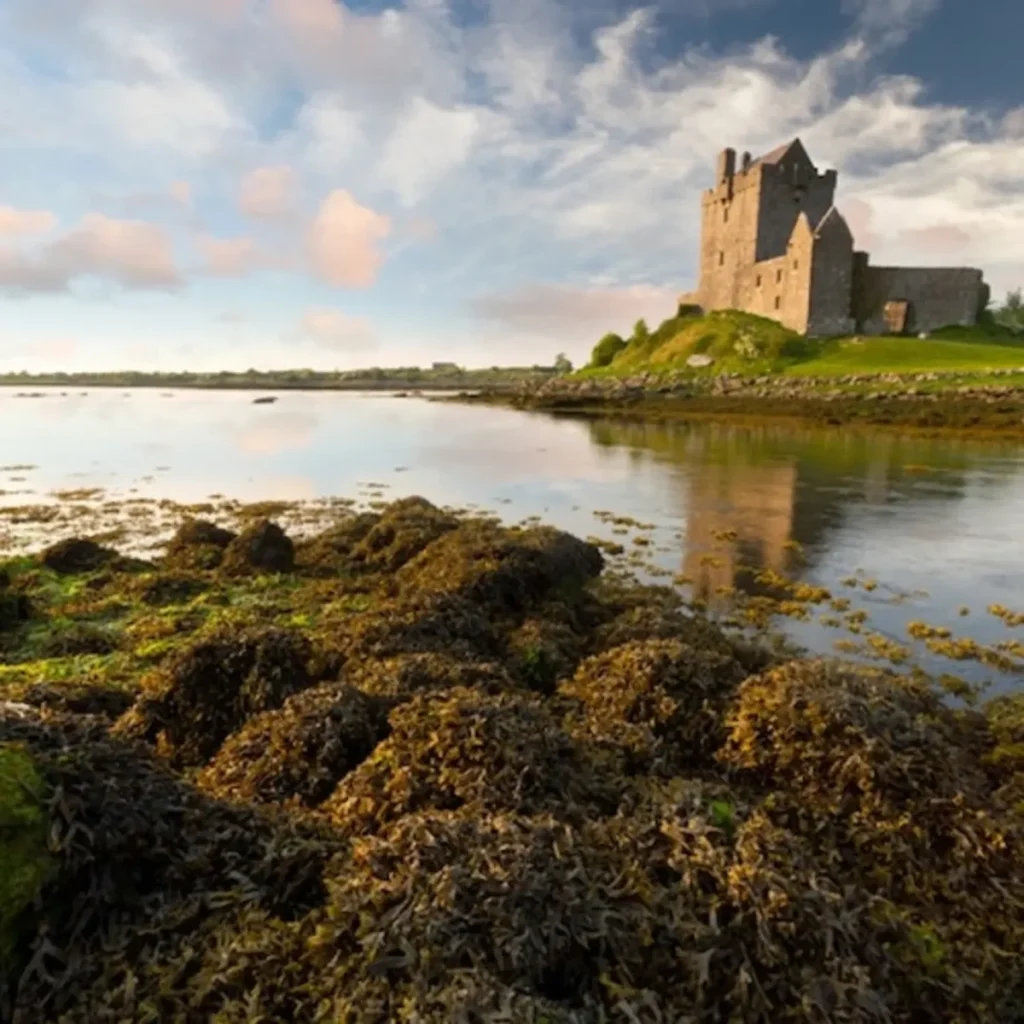
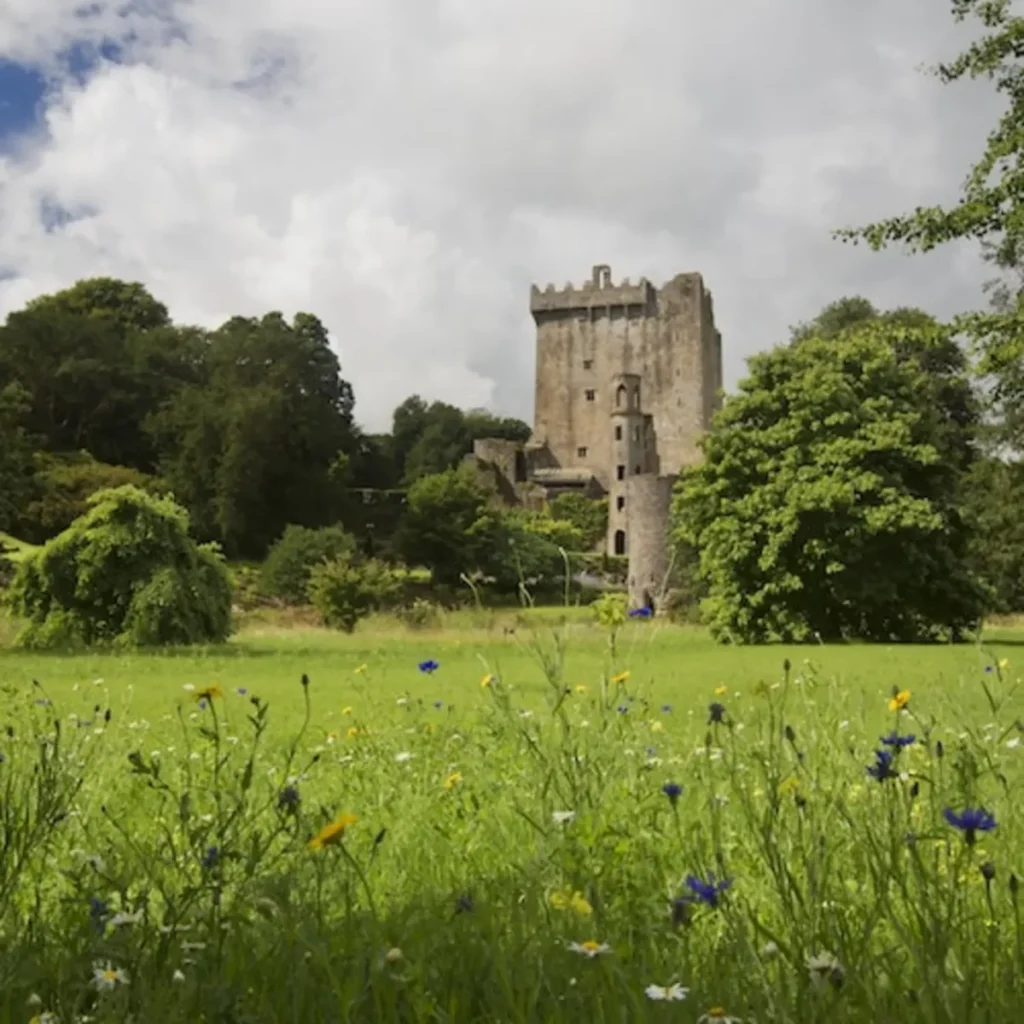
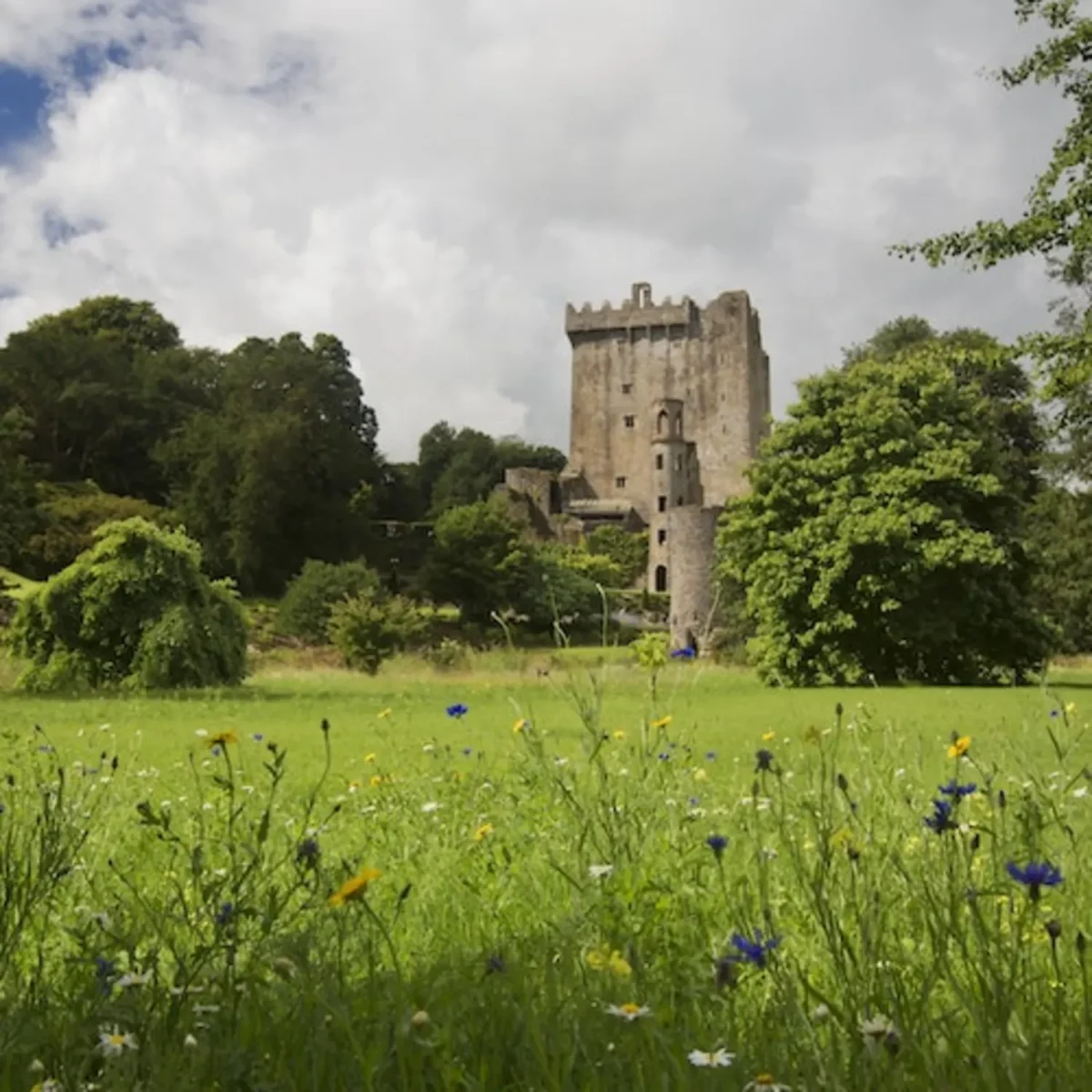
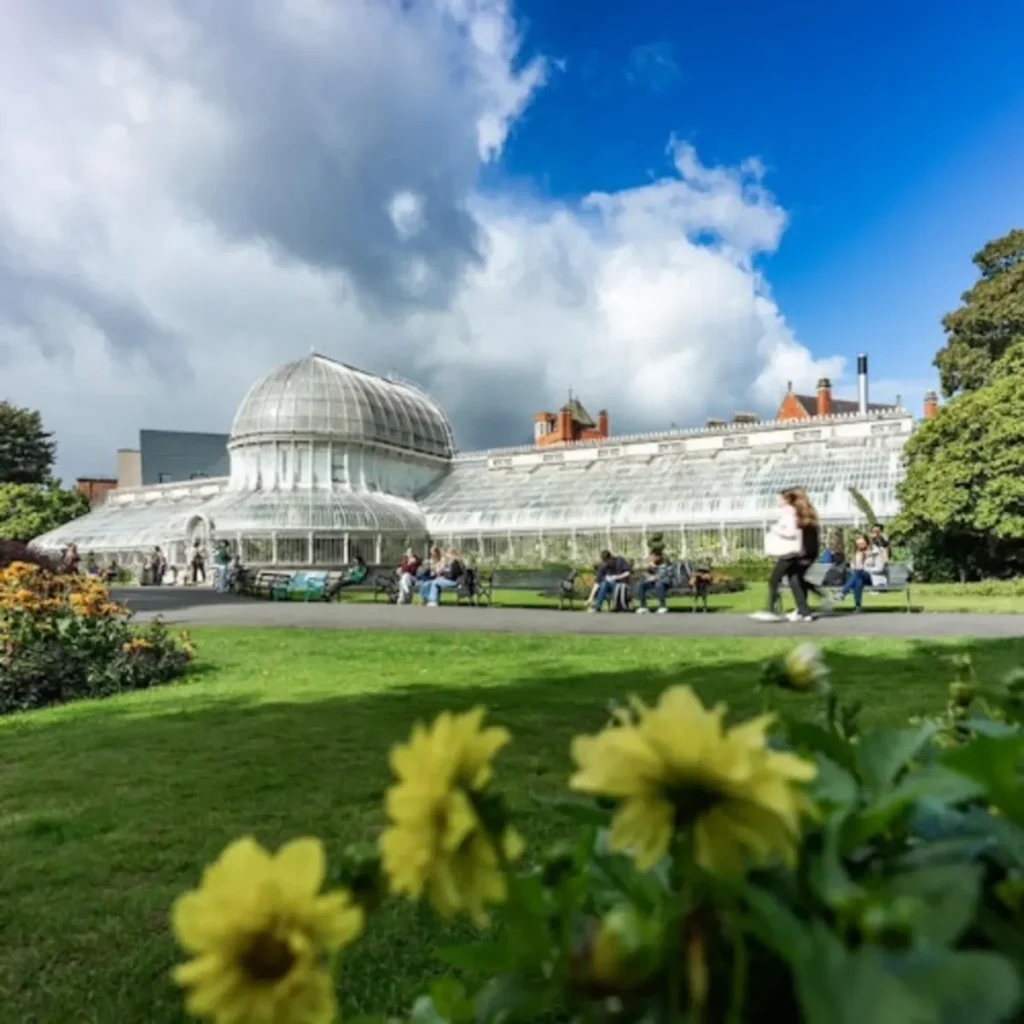
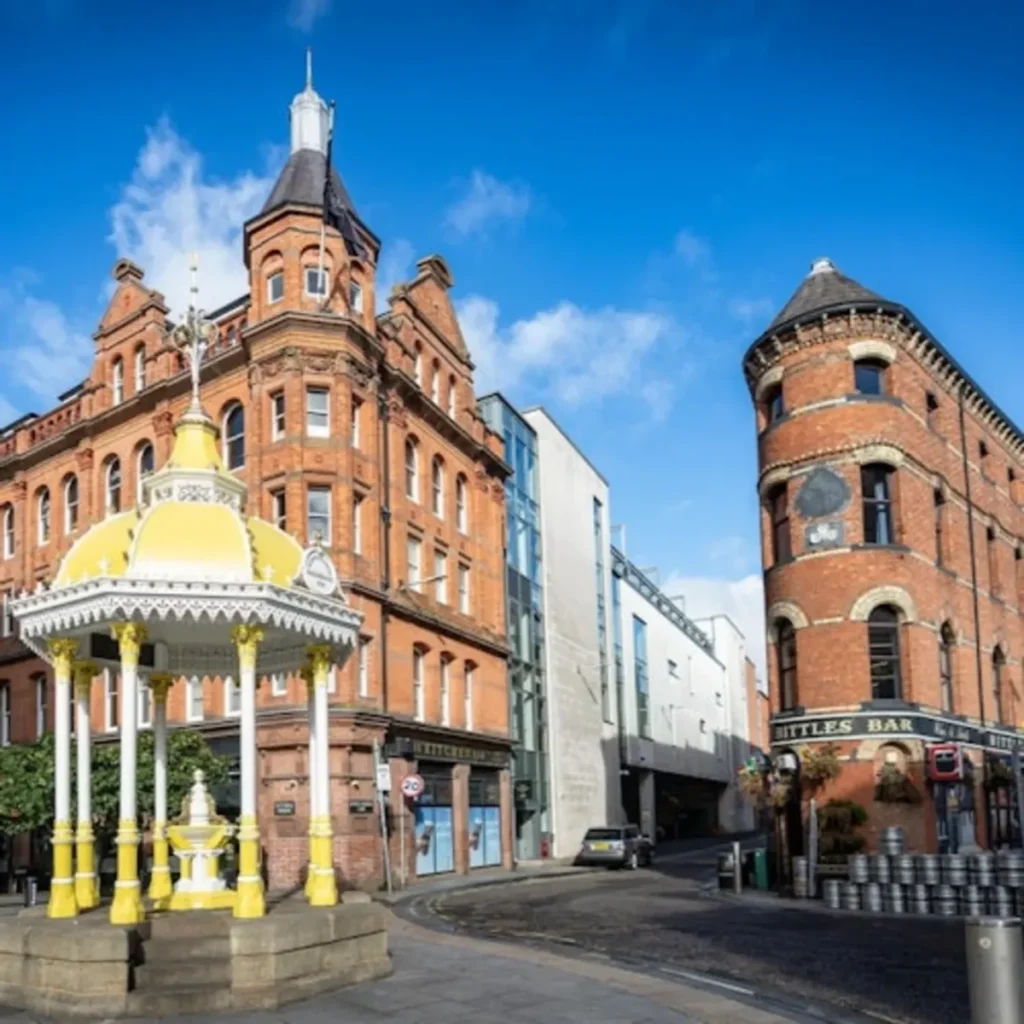
Excursions to the Cliffs of Moher, Blarney Castle, Galway Bay, or Belfast typically run as full-day trips starting early in the morning. Dedicating one or two days of your Dublin stay to regional day tours offers a balanced view of both modern city culture and classic Irish landscapes.

Practical Tips for Your Dublin Itinerary

  • Book early morning slots Reserve early entry times for major museums and cathedrals to view exhibits during quieter morning hours.
  • Map out transit routes Use the Luas tram or Dublin Bus networks to quickly bridge the gap between central sights and riverside attractions like the Docklands or Phoenix Park.
  • Allow buffer time for tours Guided walks, masterclasses, and distillery experiences operate on strict start times, so plan to arrive 15 minutes ahead of schedule.

Getting Around Dublin: Public Transit & Walkability
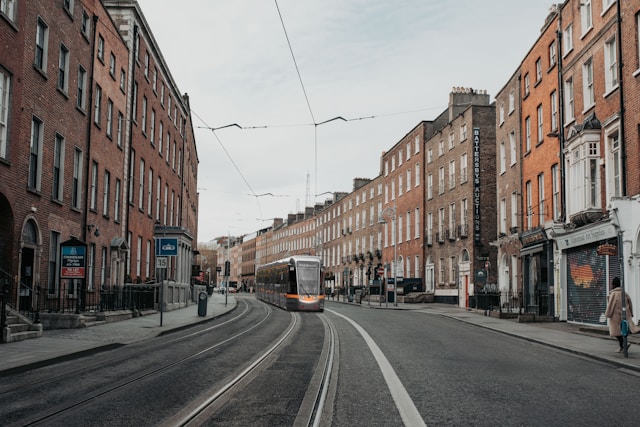
Navigating Dublin is straightforward thanks to a compact city center and clear transit routes. The main city center is largely walkable, with major hubs like Temple Bar, Trinity College, and Grafton Street situated within 15 minutes of one another.

For sights positioned further along the River Liffey or outside the immediate center, public transport options offer efficient connections:

  • LUAS Tram The Green and Red light rail lines link central Dublin with key destinations, including the Docklands, Smithfield distillery quarter, and major rail stations.
  • Dublin Bus Broad coverage connects downtown Dublin with suburban heritage sites, coastal villages like Howth, and regional tour pickup points.
  • DART Train The coastal rail network travels north and south along Dublin Bay, providing quick transport to seaside towns and cliff walks.

Good to Know Before Visiting Dublin

Currency

The Republic of Ireland uses the Euro (€), so you will need euro currency rather than British Pounds.

Card Payments

Contactless cards and mobile payments are accepted almost everywhere, though carrying a small amount of cash is useful for small purchases.

Power Outlets

Ireland uses Type G three-pin electrical plugs operating on 230V, so travelers from outside Ireland and the UK will need an adapter.

Advance Bookings

Major historical venues and popular distillery tours rely on timed-entry slots that often sell out days or weeks in advance.

Public Transport

Buying a Visitor Leap Card offers the most cost-effective and convenient way to travel on the Luas tram, Dublin Bus, and DART rail lines.

Weather Essentials

Irish weather changes quickly, making a lightweight waterproof jacket and breathable layers essential for outdoor sightseeing.

Tipping Etiquette

Tipping is not strictly mandatory, but leaving a 10% to 15% gratuity for good sit-down restaurant service is customary.

Walkability

Dublin’s city center is compact, meaning you can easily walk between most central landmarks within 15 to 20 minutes.

Attraction Schedules

Many smaller museums, national archives, and historic sites close on Mondays or operate on shortened Sunday hours.

Pub Culture

Pubs serve as central community gathering places, with traditional live music sessions usually starting in the late evening.

Day Trip Logistics

Direct coach tours to regional sights like the Cliffs of Moher depart very early in the morning from central Dublin pickup points.

Emergency Services

You can reach police, fire, or medical emergency services in Ireland by dialing either 112 or 999.

FAQs about Visiting Dublin

When is the best time of year to visit Dublin?

Summer brings the warmest weather and longest daylight hours, while spring and autumn offer smaller crowds and milder temperatures.

How many days should I plan to spend in Dublin?

Three to four days allow enough time to visit central historic sites, explore cultural quarters, and fit in a regional day trip.

Is Dublin a walkable city for tourists?

Yes, the city center is compact and flat, making it easy to walk between most central landmarks within twenty minutes.

How do visitors get from Dublin Airport to the city center?

Dedicated express buses and taxi services connect Dublin Airport directly to the central city in roughly thirty minutes.

What public transportation options are available across Dublin?

The Luas light rail, Dublin Bus network, and DART coastal train offer complete transit coverage across the capital and nearby coastal villages.

What is the easiest way to travel around Dublin using public transit?

Using a Leap Visitor Card provides convenient, unlimited travel across the Luas, Dublin Bus, and DART networks for your stay.

What type of weather should I expect when visiting Dublin?

Dublin experiences a mild maritime climate with fast-changing weather, making breathable layers and a waterproof jacket essential year-round.

Are Dublin attractions open on Mondays?

While major landmarks stay open daily, several smaller galleries and historic houses close or run reduced hours on Mondays.

What currency is accepted in Dublin?

Dublin uses the Euro (€), as the Republic of Ireland is part of the Eurozone.

Do I need to carry cash while traveling in Dublin?

Contactless cards and mobile payments are accepted nearly everywhere, though carrying a little cash is helpful for minor purchases.

Are Dublin's top sights suitable for families with children?

Yes, many venues feature interactive displays, dedicated family trails, and accessible layouts tailored for visitors of all ages.

How far are popular day trip destinations from Dublin?

Major destinations along the west coast or Northern Ireland lie three to four hours away, making them full-day excursions departing early in the morning.

Are historic venues in Dublin accessible for visitors with mobility requirements?

Most primary attractions offer full wheelchair access and modern amenities, though some preserved medieval buildings have limited access to upper levels.

What electrical plug adapter is required in Ireland?

Ireland uses Type G three-pin electrical sockets operating on 230V, requiring an adapter for devices from outside the UK and Ireland.

This website sells official tickets for this venue. Please note, however, that it is not the official website of the venue.

The images and videos on this website may contain visual elements that have been created or enhanced using AI technology. They are provided for illustrative purposes only.